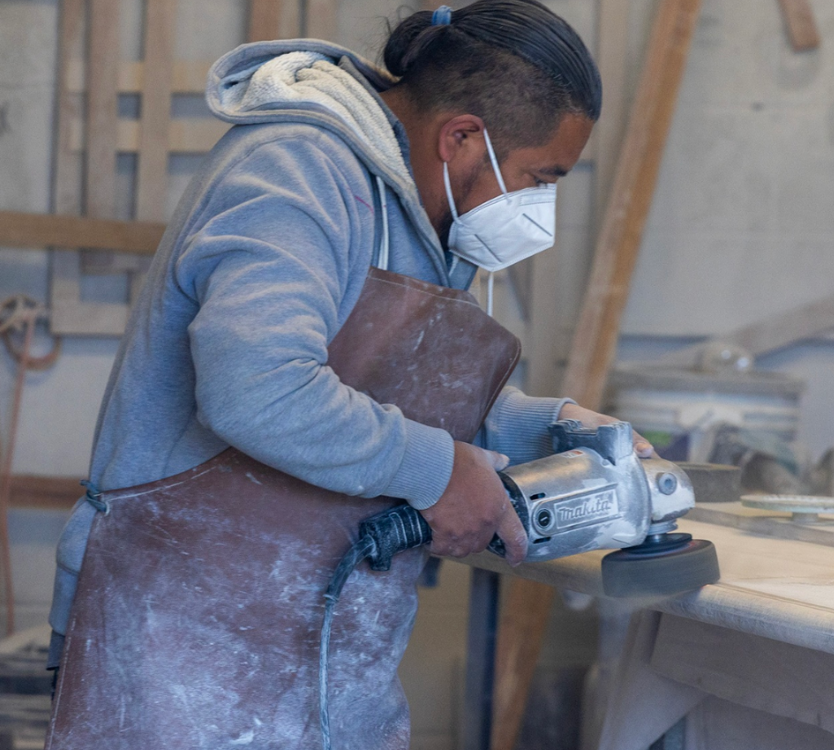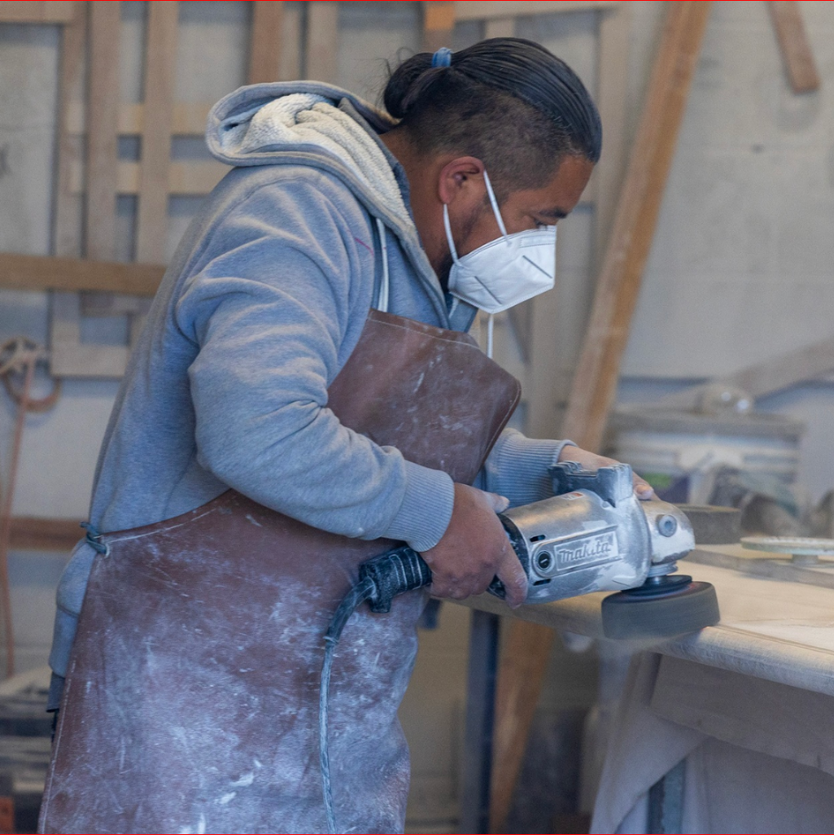

California is facing a public health emergency that has quietly devastated hundreds of families: accelerated silicosis among countertop fabrication workers. This disease, caused by exposure to nano-sized particles of crystalline silica, is linked to crystalline silica artificial stone slabs—products that dominate the countertop market but carry deadly consequences for those who fabricate and install them.
The Western Occupational and Environmental Medicine Association (WOEMA), a respected organization of over 600 occupational medicine physicians across seven western states, has petitioned the Cal/OSHA Standards Board to take urgent action. The petition was submitted on Friday, December 12, 2025, calling for an immediate prohibition on artificial stone slabs containing more than 1% crystalline silica. The petition is being presented by Dr. Robert Harrison to the Cal/OSHA board on December 18, 2025. Their request? A prohibition on all artificial stone slabs containing more than 1% crystalline silica. This bold move reflects mounting evidence that current safety measures have failed and that elimination of these hazardous products is the only effective solution.
The Science Behind Artificial Stone Toxicity
Crystalline silica artificial stone—also referred to as quartz, engineered or manufactured stone—contains at least 90% crystalline silica, far higher than natural stone. These slabs, in addition to containing nano-sized particles of crystalline silica, are bonded with resins that release volatile organic compounds (VOCs) and trace metals during fabrication. When workers cut, grind, or polish these slabs, they inhale nano-sized silica particles that penetrate deep into the lungs.
Unlike traditional silicosis, which typically develops after decades of exposure, artificial stone silicosis can appear in just a few years or, in some cases, as little as a few months. Studies show that this accelerated form of the disease progresses rapidly, even with minimal exposure, due to the synergistic toxicity of crystalline silica, VOCs, and metals. Once diagnosed, the condition is irreversible and often fatal.
For more details on the health risks and legal options, visit our page on https://www.braytonlaw.com/engineered-stone-silicosis-lawsuit-lawyer/.
The Human Toll: Worker Stories and Case Data
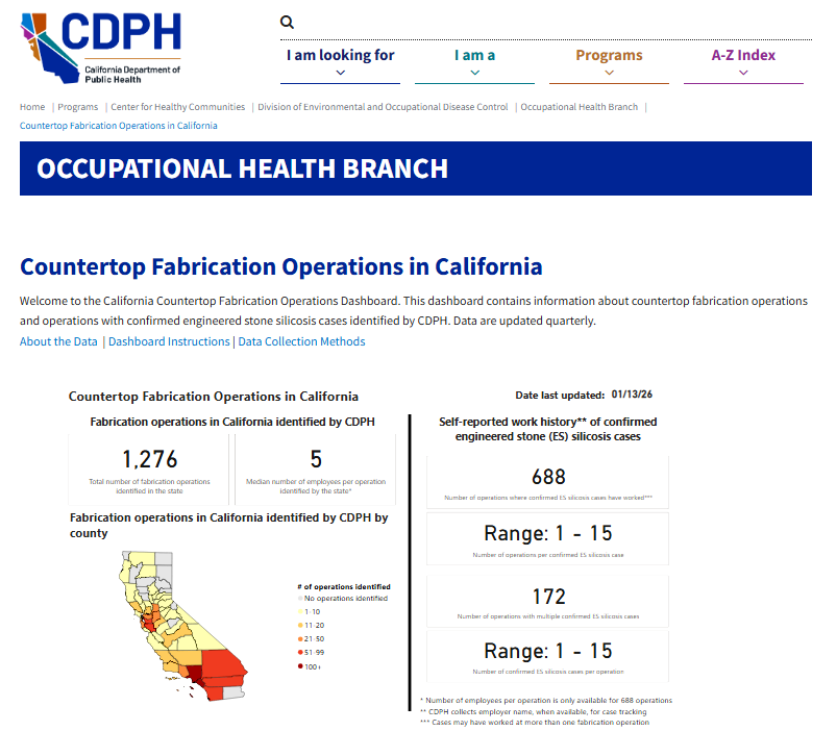
The California Department of Public Health’s surveillance dashboard reports 450 confirmed cases of artificial stone silicosis and 25 deaths, with workers as young as 24 affected. The median age is only 46—prime working years cut short by a preventable disease.
These numbers represent real lives: fathers, sons, and friends who entered the fabrication trade seeking honest work, only to face devastating health consequences. Many of these individuals were unaware of the risks, and despite prescribed safety protocols being followed by employers, exposure levels remain dangerously high.
Learn more about how we advocate for affected workers on our https://www.braytonlaw.com/ page.
Legal Implications and Industry Accountability
WOEMA’s petition to revise 8 CCR § 5204 underscores a critical point: existing regulations, including the 2023 Emergency Temporary Standard, have not stopped the epidemic. Inspections in 2025 revealed that 94% of fabrication shops failed to meet silica exposure limits, even when using prescribed wet methods and engineering controls.
This failure is not due to employer negligence but to the inherent toxicity of artificial stone. No amount of dust suppression can make these fake slabs safe to fabricate. As litigation grows, the focus is shifting toward manufacturers and distributors who continue to profit from products known to cause fatal disease.
If you or a loved one has been diagnosed with silicosis, visit our https://www.braytonlaw.com/contact/ page to speak with our experienced legal team.
Global Precedent: Lessons from Australia
Australia faced a similar crisis and responded decisively by banning crystalline silica artificial stone slabs. The results have been highly encouraging: the market quickly transitioned to safer alternatives such as recycled glass (amorphous silica), porcelain, and natural stone. These materials offer the same aesthetic appeal and durability without the deadly risks.
WOEMA argues that California can follow this model without economic disruption. Safer products are already available in the U.S., and existing dust control methods remain applicable. The transition would protect workers while preserving consumer choice.
Alternatives and Market Impact
Artificial stone is not indispensable. Recycled glass slabs, porcelain, and natural stone provide comparable quality, look, and feel. In fact, many of these options were widely used before crystalline silica artificial stone dominated the market. By eliminating these highly hazardous slabs, California can maintain a thriving fabrication industry without sacrificing lives.
Conclusion
The evidence is clear: artificial stone slabs containing more than 1% crystalline silica are too dangerous for human beings to fabricate safely. WOEMA’s petition represents a critical step toward ending a preventable epidemic that has already claimed too many lives. California has an opportunity to lead the nation in protecting workers by adopting a prohibition similar to Australia’s.
At Brayton Purcell LLP, we have seen firsthand the devastating impact of artificial stone silicosis on families across the country. While legal remedies are available for those affected, the ultimate goal must be prevention. Eliminating these hazardous products is the most effective way to stop this crisis.