Understanding Silicosis Risks and the Ongoing Epidemic in California
On December 9, 2025, the Massachusetts Department of Public Health (DPH) released a safety alert directed to employers in the artificial stone countertop fabrication industry. This action follows the state’s first documented case of silicosis among workers in this field, highlighting the significance of health risks associated with the fabricating of crystalline silica artificial stone slabs.
What Is Silicosis?
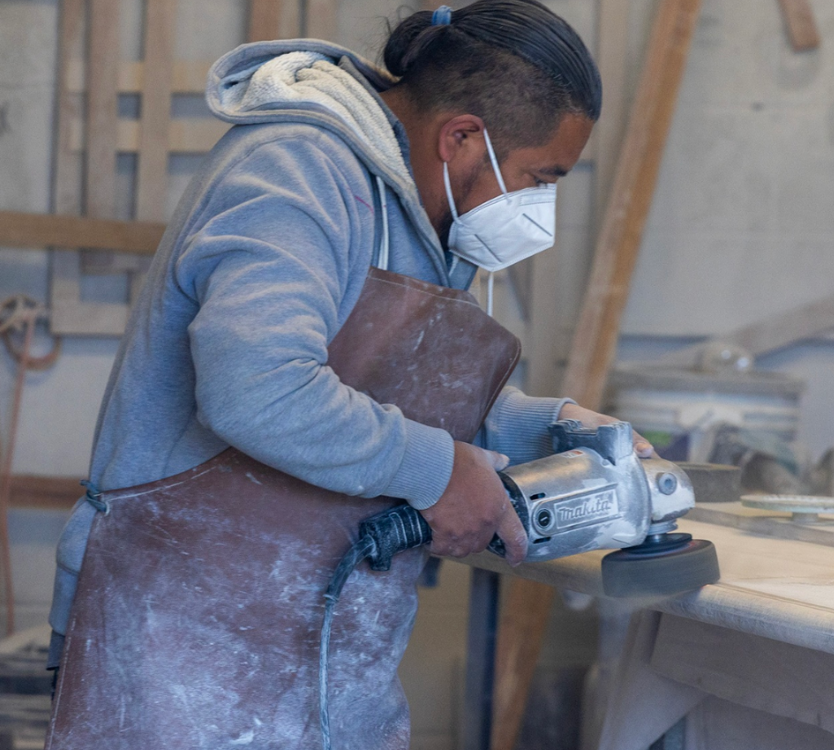
Silicosis is an incurable, progressive lung disease that often disabling and can be fatal. It is caused by inhaling silica dust, which is found in materials like granite and other stone. Regular processes such as cutting, grinding, or polishing stone, mining and sandblasting can release fine particles of silica into the air. Once inhaled, these particles lead to scarring of the lungs, resulting in symptoms such as persistent cough, shortness of breath, chest pain, fatigue, and, in later stages, leg swelling and blueish lips. Silicosis also increases the risk for lung cancer and tuberculosis.
Unlike the fabrication of natural stone, numerous peer-reviewed scientific studies have demonstrated that there is no safe way for humans to fabricate crystalline silica artificial stone slabs. Even with rigorous workplace controls and safety measures used for decades in the fabrication of natural stone slabs into counter tops, exposure to harmful levels of nano-sized silica particles and other toxins is inevitable during the crystalline silica artificial stone countertop fabrication process, placing workers at significant risk for developing accelerated silicosis and other serious lung diseases.
Details of the First Massachusetts Case
The state’s first confirmed case was reported in a Hispanic man in his 40s who had worked for 14 years in artificial stone countertop fabrication and installation. This case is linked to crystalline silica artificial stone, which contains over 90% crystalline silica—significantly more than natural granite or marble, or low-silica alternatives. DPH officials note this is the first such case in Massachusetts, though similar cases have been extensively reported in other states and internationally.
Emily H. Sparer-Fine, Director of DPH’s Occupational Health Surveillance Program, commented, “The confirmation of this case in Massachusetts is a tragic reminder that silicosis is not just a distant threat – it is here, and it is seriously impacting the health of workers in Massachusetts… everyone involved in the supply chain – from consumers and designers to contractors – can help reduce the danger by opting for materials that contain less silica and pose fewer health hazards.”
Silicosis Cases in California and Beyond
While this is Massachusetts’ first reported case, there has been a significant increase in silicosis among artificial stone fabricators in California and many other states. Since the first U.S. case related to artificial stone was identified in Texas in 2014, hundreds of cases and dozens of deaths have occurred in California. The rise of crystalline silica artificial stone countertops, also known as “quartz” and “engineered stone”, which contain up to 95% silica content, is the primary factor in the increase of silicosis cases.
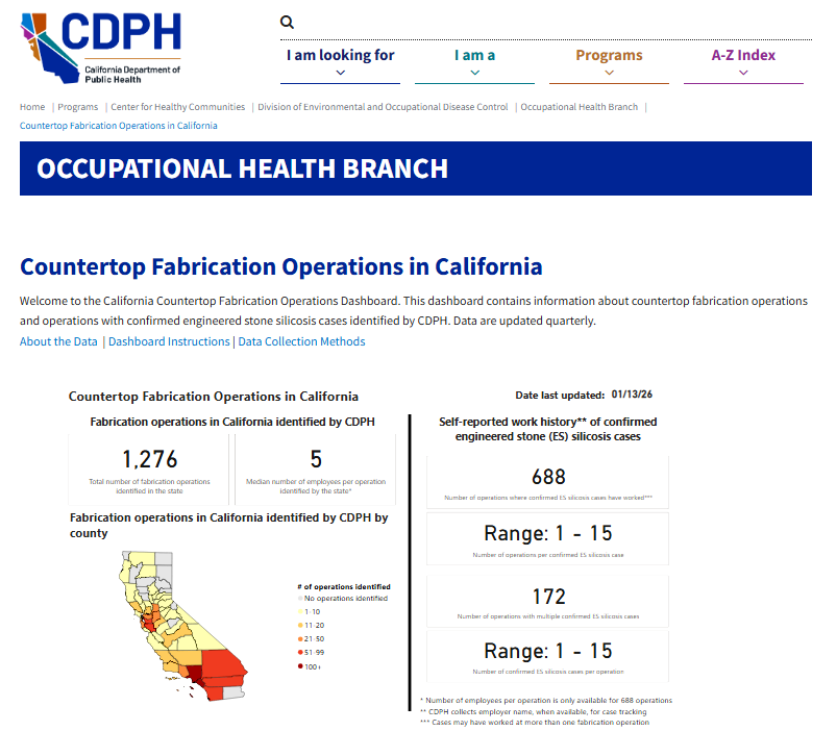
The disease often develops after just a few years of exposure, though onset can occur sooner. The California Department of Public Health maintains an Engineered (Artificial) Stone Surveillance Dashboard that clearly demonstrates the impact of this epidemic. Since 2019, in California alone, confirmed cases have skyrocketed from just 13 to 447 as of December 2025, including 25 deaths and 49 lung transplants. The median age at diagnosis is 46, with a median age of death at just 48. 99.8% of all cases are male, with 98% of cases affecting Latinos, highlighting the devastating impact on relatively young Latino workers.
Patients are often misdiagnosed with pneumonia, tuberculosis, Chronic Obstructive Pulmonary Disease (COPD) or asthma, among other illnesses. Additionally, the latency period between exposure and symptom onset means many cases are detected late, further complicating treatment and intervention. Internationally, Australia banned the use and manufacture of artificial stone in 2024 due to similar concerns.
Recommendations and Preventive Measures
The DPH alert reiterates the importance of following established safety practices to reduce silica exposure. These include:
- Using effective dust control methods, such as wet cutting and dust collection systems
- Performing fabrication work in well-ventilated areas
- Adopting housekeeping practices like wet sweeping or HEPA-filtered vacuuming
- Regularly monitoring silica dust levels in the workplace
- Enrolling workers in medical surveillance programs for early detection of symptoms
- Developing and implementing written exposure control plans
- Providing training in employees’ preferred languages about silica dust risks and control practices
- Supplying and ensuring correct use of appropriate respirators with a respiratory protection program
Massachusetts DPH also encourages employers to utilize the Department of Labor Standards’ On-Site Consultation Program, a confidential and free service designed to help recognize and manage possible health and safety hazards in the workplace.
These measures, although perceived as a step in the right direction, are mis-guided attempts at mitigating a serious public health issue. The only way to eliminate artificial stone silicosis is to ban the manufacturing and distribution of crystalline silica artificial stone slabs.
The Role of Health Care Providers and the Community
Health care providers are asked to be vigilant about inquiring into patients’ work histories, especially when respiratory symptoms arise, as early diagnosis and intervention can help slow disease progression. Silicosis is a reportable condition in Massachusetts, and providers are required to report suspected cases to DPH.
Supply chain participants, including designers, contractors, and consumers, can also help by choosing materials with no crystalline silica, such as recycled glass.
Ongoing Health Concerns and the Path Forward
Because the demand for artificial stone products remains strong, additional cases are expected in the future. The experience in California and elsewhere demonstrates the importance of coordinated efforts among health officials, the medical community, and regulatory agencies to ban crystalline silica artificial stone slabs. These combined actions are crucial to supporting the well-being of workers and preventing further cases of silicosis in the artificial stone fabrication sector.
If you or someone you know has worked in the artificial stone fabrication industry, you should seek help. Brayton Purcell LLP is a nationally recognized law firm with decades of experience representing individuals affected by occupational diseases, including silicosis caused by artificial stone fabrication. Licensed to practice in Massachusetts and 15 other states, our firm has secured over $78 million in verdicts and settlements for artificial stone silicosis victims. We remain committed to supporting workers and families affected by this preventable disease and illnesses from other toxic exposures, protecting their rights across the United States.
For more information or to speak with an attorney, contact us here.