

Why Farmers and Ranchers Face an Overlooked Mesothelioma Risk
October 15, 2026
A Multimodal Framework to Guide Solid Tumor Indications for Natural Killer Cell-Based Therapy
October 13, 2026
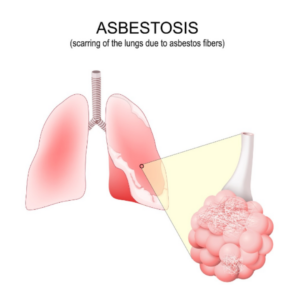
Asbestos was once widely used because of its strength, durability, and resistance to heat. But exposure to asbestos fibers can cause serious diseases that may not become apparent until many years later. A new study from the Netherlands shows just how long the health consequences of past asbestos exposure can persist. Smesseim and colleagues examined national trends in asbestosis over a ten-year period. Their findings show that although the Netherlands banned asbestos in 1993, people continued to be diagnosed with asbestosis more than two decades later.
What is Asbestosis?
Asbestosis is a progressive lung disease caused by inhaling asbestos fibers. Over time, these fibers contribute to scarring (or fibrosis) of the lungs. This scarring interferes with normal lung function.
Why Effects Can Appear Long After Exposure
One of the difficulties surrounding asbestos-related diseases is that their effects can continue to appear long after the original exposure. The Dutch experience provides a striking example. Even though asbestos use was banned nationally in 1993, the researchers found that asbestosis diagnosis continued during the 2014-2024 study period.
Tracking Ten Years of Asbestosis Cases
The researchers examined adults that were evaluated for asbestosis though the Netherlands’ national compensation system. That system, established in 2014, provided a way to systematically assess cases of the disease and their outcomes.
Key Study Figures
- Over the study period, 1,004 people applied for compensation and 476 of those people met the study’s criteria for asbestosis.
- The overwhelming majority were men (98.9%) with a median age of 77 at diagnosis.
How Asbestosis Was Diagnosed
Diagnosing asbestosis involved more than simply documenting a history of asbestos exposure. Three independent lung specialists reached a consensus based on evidence that included:
- a history of asbestos exposure with appropriate latency
- lung imaging showing diffuse pulmonary fibrosis
- demonstration of lung-function impairment
Why a Rigorous Diagnosis Matters
This rigorous process is important because lung scarring can have different causes. A history of asbestos exposure alone does not necessarily establish that a person’s lung disease is asbestosis.
Cases Have Not Disappeared
Perhaps the most important finding was that the incidence of asbestosis did not show a significant downward trend over the ten-year study period. Researchers concluded that asbestosis incidence remained stable more than two decades after the country’s asbestos ban. This finding demonstrates the unusually long-lasting public health consequences of occupational asbestos exposure.
Why Occupational History Still Matters
Removing asbestos from current use does not immediately eliminate asbestos-related disease among people who were exposed in earlier decades. The study therefore provides another reason why understanding a person’s complete occupational history remains important even many years after a particular job or exposure has ended.
Disease Severity Was Closely Connected to Survival
The researchers also looked at survival and factors associated with worse outcomes. Patients were categorized using American Medical Association (AMA) impairment classes, which helped to characterize the severity of their lung impairment. The most severe category examined was category AMA class 4 – which was also the most common, representing 44.5% of patients.
Survival Findings by Severity Class
Disease severity mattered substantially.
- AMA class 4 was strongly associated with mortality, and median survival for these patients was 25.5 months.
- In comparison, median survival was 83.4 months among patients in AMA classes 0 through 2.
- Older age was also associated with poorer survival.
Why These Findings Matter
The Dutch study highlights a fundamental feature of asbestos-related illness: today’s cases can reflect exposures that occurred many years in the past. That makes continued recognition and monitoring of asbestos-related diseases important even in countries that have prohibited asbestos use.
Why Work and Exposure History Matter for Workers
For workers who spent part of their careers around asbestos-containing materials, a detailed work and exposure history can provide important context when respiratory disease develops later in life.
Asbestosis Is Not Only a Historical Disease
The findings also show that asbestosis should not be viewed simply as a historical occupational disease. In this national cohort, new diagnoses persisted decades after the Netherlands banned asbestos, and severe disease was associated with substantially shorter survival. Ultimately, this research illustrates the long shadow that hazardous workplace exposures can cast. Regulations can prevent future exposures, but they cannot erase those that have already occurred.
What This Means for Workers, Doctors, and Public Health
- For workers, physicians, and public-health officials, the study is an important reminder that the consequences of asbestos exposure may continue to require attention for decades.
- For doctors and patients, discussing a person’s complete work history provides valuable context when evaluating lung disease.
- Continued surveillance can also help public health officials better understand the lasting burden of occupational asbestos exposure.
Were You Exposed to Asbestos at Work?
Asbestosis can be diagnosed many years after occupational exposure occurred. If you or a family member has been diagnosed with asbestosis or another asbestos-related disease, identifying where and how the exposure happened may be an important part of evaluating your legal options.
Brayton Purcell LLP represents plaintiffs affected by asbestos exposure and asbestos-related diseases. The firm’s attorneys investigate occupational exposure histories and help individuals and families understand the legal options that may be available.
Request a Confidential Case Evaluation
Contact Brayton Purcell LLP for a confidential case evaluation. There is no obligation to pursue a claim, and you pay no attorney fees unless we obtain a recovery for you.
📞 Call (800) 361-2417