

Epidemiology of Asbestosis in the Netherlands: a 10-Year Cohort Analysis
October 14, 2026
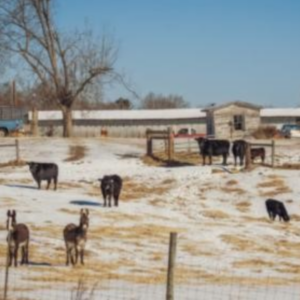
When people think about jobs associated with asbestos exposure, they may picture construction sites, factories, shipyards, or other industrial workplaces. Farming and ranching probably don’t immediately come to mind. However, a recent Morning Ag Clips article draws attention to this lesser-known concern that farmers and ranchers may encounter asbestos through older farm buildings, equipment, and routine maintenance work. The article highlights why agricultural workers should be aware of potential historic asbestos exposure, particularly when working around older structures and machinery. This is especially important because mesothelioma (a cancer associated with asbestos exposure) may not become apparent until many years after the exposure occurred.
Asbestos May Be Hiding in Older Farm Buildings
One potential source of exposure is the farm itself. According to the article, barns, sheds, workshops, and older farmhouses may contain asbestos-containing materials. These materials may be found in insulation, roofing, siding, floor tiles, and cement products. Having these materials in a building does not necessarily mean that fibers are being released into the air – instead, the article emphasizes the potential danger when those materials are disturbed or damaged. That distinction is relevant to farmers and ranchers because maintenance can be a routine part of agricultural work. Replacing an aging roof or removing a wall to create a new entrance could disturb older building materials. The article explains that asbestos fibers released during this type of work can be too small to see, making the hazard particularly easy to miss. In other words, a building that has been standing for decades may not look dangerous. The potential risk can emerge when renovation, demolition, or repair work disturbs asbestos-containing material.
Everyday Farm Dust Can Make the Risk Less Obvious
Agriculture can already be a dusty occupation. Harvesting crops, baling hay, moving grain, cleaning areas used by animals, and driving through dry fields can all generate airborne dust. The Morning Ag Clips article argues that this familiar environment can make an additional airborne hazard - such as asbestos fibers released from older materials - more difficult to recognize. This is important because workers cannot necessarily determine whether asbestos fibers are present simply by looking at the air around them. A dusty barn or workshop might look no different after asbestos-containing material has been damaged, even though an additional potential hazard may now be present. For agricultural workers with a possible history of asbestos exposure, occupational history can therefore be an important part of conversations with healthcare providers, particularly if respiratory problems develop later.
Older Farm Equipment Can Be Another Source
Buildings are not the only concern. The article also points to the maintenance of older agricultural machinery. Tractors, combines, and other farm equipment can remain in service for many years and require repairs. According to the article, older components may contain asbestos because the mineral was historically valued for its resistance to heat and friction. It specifically notes asbestos hazards associated with brake and clutch repair and says OSHA provisions include agricultural tractors among relevant equipment. This could be particularly relevant for farmers who perform their own equipment repairs rather than taking machinery to a professional mechanic. Importantly, this does not mean that every old tractor, brake, clutch, barn, or farmhouse contains asbestos. Rather, the article encourages caution when the composition of an older material or component is unknown.
Why Exposure from Decades Ago Can Still Matter
Perhaps the most important point in the article involves the long period between asbestos exposure and the appearance of mesothelioma. According to the article and the National Cancer Institute, mesothelioma can take ten to forty years or longer before symptoms develop. That long delay can make recognizing an occupational connection difficult. Someone diagnosed later in life may need to think back decades to remember whether they repaired older equipment, renovated agricultural buildings, removed insulation, worked with roofing or siding, or performed other jobs that could have disturbed asbestos-containing materials. For farmers and ranchers, those activities may not have seemed unusual at the time. They may have simply been another part of maintaining a home, barn, workshop, or equipment. Yet that history may still be relevant when evaluating a possible asbestos-related illness.
The larger message from Morning Ag Clips is that asbestos exposure should not be viewed as solely an industrial workplace problem. Agricultural workers may have encountered the mineral in very different circumstances, including ordinary repairs and maintenance. Awareness matters because mesothelioma’s long latency can separate exposure and illness by decades. Farmers and ranchers who believe they worked around older asbestos-containing materials should consider preserving as much information as possible about their work history and discussing relevant exposure concerns with qualified healthcare professionals.
Talk With an Experienced Mesothelioma Attorney
If you or a family member has been diagnosed with mesothelioma or another asbestos-related disease, understanding when and where the exposure occurred can be an important step. Exposure may have happened decades ago while repairing farm equipment, renovating agricultural buildings, or working around older construction materials.
Contact Brayton Purcell LLP for a confidential case evaluation. There is no obligation to pursue a claim, and you pay no attorney fees unless we obtain a recovery for you.