

A Multimodal Framework to Guide Solid Tumor Indications for Natural Killer Cell-Based Therapy
October 13, 2026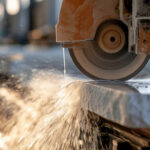
San Francisco Chronicle Highlights California’s Artificial Stone Ban
October 10, 2026
California is moving to restrict the fabrication of artificial stone slabs containing more than 1% crystalline silica, a proposal that has sparked debate among regulators, businesses, health professionals, and worker advocates. While some discussion has focused on questions about regulatory authority, the urgent issue is the devastating health consequences associated with working with artificial stone.
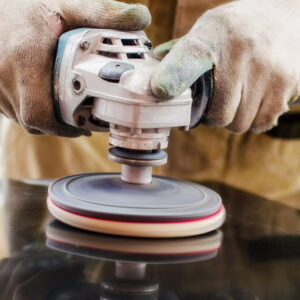
Artificial stone, also referred to as engineered stone or manufactured stone, is at least 90% crystalline silica. The remaining approximate 10% consists of resins, pigments, and heavy metals that release volatile organic compounds (VOCs) during fabrication. During fabrication activities such as cutting, grinding, polishing, drilling, shaping, and finishing, nano-sized, high-surface area silica particles are released into the air. Workers who fabricate artificial stone inhale these highly toxic airborne contaminants, causing permanent scarring of the lungs and leading to deadly artificial stone silicosis and other serious diseases.
For readers interested in the underlying reporting, the full article, California’s Push to Ban Quartz Countertops Hits Legal Headwinds, by Tre'Vaughn Howard of Bloomberg Law is available here: https://news.bloomberglaw.com/safety/californias-push-to-ban-quartz-countertops-hits-legal-headwinds
A Public Health Crisis That Continues to Grow
California's proposed restriction comes after years of increasing concern among physicians, occupational disease researchers, and public health officials regarding artificial stone silicosis. As artificial stone has become one of the most popular countertop materials in the United States, the number of workers diagnosed with serious silica-related illnesses has risen dramatically.
According to Tre'Vaughn Howard's reporting, silica dust generated during the fabrication of artificial stone has been linked to 660 cases of silicosis and 35 deaths among workers in California. The overwhelming majority of affected workers have been Latino men employed in countertop fabrication shops.
Key Figures From the Reporting:
- 660 cases of silicosis among workers in California
- 35 deaths among workers in California
- The overwhelming majority of affected workers have been Latino men employed in countertop fabrication shops
How Is Artificial Stone Silicosis Different From Traditional Silicosis?
Unlike traditional silicosis, which historically developed after decades of occupational exposure, artificial stone silicosis has frequently been diagnosed in workers at younger ages and after much shorter exposure periods. The disease continues progressing even after exposure ends, leaving workers with permanent respiratory impairment and, in severe cases, the need for lung transplantation. The disease is incurable and fatal.
The numbers alone are alarming. Yet they represent more than statistics. Behind every diagnosis is a worker facing chronic respiratory disease, extensive medical treatment, and uncertainty about the future.
Why Artificial Stone Presents Unique Health Risks
The danger associated with artificial stone begins with its composition.
How Does the Composition of Artificial Stone Create Risk?
Artificial stone is at least 90% crystalline silica, with the remaining approximate 10% consisting of resins, pigments, and heavy metals that release VOCs during fabrication. When workers cut, grind, drill, polish, shape, or finish artificial stone slabs, enormous quantities of airborne contamination are generated, consisting of nano-sized, high surface area, respirable crystalline silica particles.
Why Do Nano-Sized Silica Particles Harm the Lungs?
Because these silica particles are exceptionally small (less than 1/10 the width of a human hair), they penetrate deep into the lungs when inhaled. Once lodged in lung tissue, the particles trigger inflammation and permanent scarring that leads to artificial stone silicosis and other serious diseases.
How the Particles Affect the Body
- The particles are exceptionally small, less than 1/10 the width of a human hair
- They penetrate deep into the lungs when inhaled
- Once lodged, they trigger inflammation and permanent scarring
- The scarring leads to artificial stone silicosis and other serious diseases
Can Safety Precautions Eliminate the Hazard?
Unlike hazards that can be avoided through simple precautions or engineering controls, artificial stone fabrication inherently generates dangerous airborne contaminants whenever the material is processed. Regardless of safety measures in place, the particles are inhaled by workers. That reality has prompted increasing concern among occupational health specialists throughout California and around the world.
Why Many Health Advocates Support Strong Restrictions
California's rule represents one of the most significant efforts in the United States to address the dangers associated with artificial stone fabrication.
What Do Supporters of the Ban Argue?
Supporters of the ban argue that despite years of exposure-control requirements, workers continue to develop artificial stone silicosis. Dust suppression systems, ventilation controls, respirators, medical monitoring, and wet-cutting techniques remain important, but new diagnoses continue to emerge even when fabrication shops have implemented all recommended safety protocols.
What Did a Former OSHA Official Say About the Proposal?
As quoted in the Bloomberg Law article, former OSHA Assistant Secretary David Michaels described the proposal as a potentially transformative step:
"Other states will likely follow Cal/OSHA's lead and ban fabrication and installation of artificial stone products. But even before that, many retailers and contractors will transition to safer materials, and this emergency standard will be seen as the beginning of the end of this tragic quartz countertop silicosis epidemic."
That perspective reflects growing concern that traditional workplace controls are not enough to prevent future cases of artificial stone silicosis.
Closing Loopholes Matters
Some advocates believe the proposal should be strengthened before final adoption.
The Bloomberg Law article quotes James Nevin of Brayton Purcell LLP, whose firm represents more than 900 artificial stone silicosis plaintiffs, expressing concern about gaps in the current proposal:
"The current draft rule has a loophole for installation that I fear will swallow the rule."
That observation highlights an important concern. Artificial stone can generate hazardous airborne contaminants throughout fabrication-related activities. Restricting some phases of the work while creating uncertainty regarding others may leave workers vulnerable to continued exposure.
For many public health advocates, comprehensive protections should address all stages of artificial stone fabrication and handling where nano-sized silica particles become airborne.
Looking Beyond the Legal Debate
The article also discusses concerns raised by industry representatives and attorneys regarding whether Cal/OSHA has the authority to implement a restriction of this scope.
Those legal questions may continue through the regulatory process and potential litigation. However, the existence of a legal dispute does not alter the underlying medical evidence.
What Does the Medical Evidence Continue to Show?
- Workers continue to be diagnosed with artificial stone silicosis.
- Families continue to experience the consequences of a preventable occupational disease.
- Physicians continue to report severe and fatal cases associated with artificial stone exposure.
As a result, the primary focus should remain on the health crisis that prompted the proposal in the first place.
Artificial stone fabrication generates nano-sized, uniquely toxic, silica particles that workers inhale during cutting, grinding, polishing, drilling, shaping, and finishing activities. Those exposures cause irreversible lung damage and lead to artificial stone silicosis and other serious diseases.
For affected workers and their families, those health consequences are far more significant than any procedural debate.
Protecting Workers Must Remain the Priority
California's proposed restrictions represent more than a regulatory discussion. They reflect growing recognition of a catastrophic occupational disease affecting workers throughout the artificial stone industry.
Where Do Stakeholders Agree?
While stakeholders may disagree about the most appropriate regulatory path forward, there is far less disagreement about the underlying problem. Hundreds of California workers have already been diagnosed with artificial stone silicosis, and dozens have lost their lives.
What Should Be the Central Objective?
The legal debate will continue. The medical consequences of exposure to nano-sized silica particles released during artificial stone fabrication are already well documented.
Preventing future cases of artificial stone silicosis must remain the central objective.
Contact Brayton Purcell LLP for Legal Support
A diagnosis of artificial stone silicosis can leave workers and families facing significant medical, financial, and legal questions. Understanding available options often begins with speaking to an experienced law firm familiar with occupational lung disease litigation and the science behind silica exposure.
Brayton Purcell LLP has represented hundreds of individuals diagnosed with artificial stone silicosis and continues to advocate for workers and families affected by this ongoing public health crisis.
If you or a family member has been diagnosed with artificial stone silicosis following occupational exposure, contact Brayton Purcell LLP for a confidential consultation to discuss your circumstances and learn more about the legal options that may be available.
Contact Brayton Purcell LLP today for a free consultation to discuss your legal rights and options.
 Call (844) 768-0794
