

Global Silicosis Crisis Expands: 414 Deaths and More Than 1,300 Diagnosed in India’s Dausa District
March 3, 2026
Legislation, Hearings, and Government Responses: SB 20, HR 5437, and Cal OSHA Testimony
March 6, 2026
The U.S. Crisis: California, Massachusetts, and the Emerging National Epidemiology
Silicosis has reemerged in the United States in a new and alarming form driven by crystalline silica artificial stone, a material containing at least 90% nano‑sized crystalline silica and approximately 10% toxic metals, resins and volatile organic compounds (VOCs). This resurgence is not scattered or anecdotal. It is measurable, documented, and increasingly recognized as a national occupational health crisis.
Public health surveillance, regulatory testimony, and investigative reporting now provide a clearer epidemiologic picture: hundreds of workers across dozens of states have been diagnosed with artificial stone silicosis, and many more are likely affected but not yet identified.
California: The Epicenter of the Artificial Stone Silicosis Epidemic
California has become the most thoroughly documented example of the artificial stone silicosis crisis in the United States.
Rising Case Counts Over Time
The California Department of Public Health (CDPH) maintains an Engineered (Artificial) Stone Silicosis Surveillance Dashboard. According to CDPH:
- Confirmed artificial stone silicosis cases increased from 13 in 2019 to 519 as of February 26, 2026.
- Earlier in 2025, CDPH reported 327 cases; the steady and rapid rise over a short period underscore how quickly the epidemic is expanding.
The progression from 13 cases to hundreds within a few years demonstrates that this is not a rare condition, but an emerging large‑scale occupational disease pattern.
Deaths and Lung Transplants
CDPH’s surveillance data also highlights the severity of these cases:
- 29 deaths among confirmed artificial stone silicosis patients
- 55 lung transplants performed as of February 2026
These numbers represent only those documented and reported; many workers with advanced disease may never be evaluated for transplantation or may die before diagnosis.
Demographics: Who Is Being Affected?
The California data reveal a striking demographic profile:
- Median age at diagnosis: 46 years
- Median age at death: 49 years
- A vast majority of affected workers are Latino males who work in countertop fabrication shops.
Many of these workers are relatively young and support families, which magnifies the social and economic impact of the disease.
Geographic Concentration Within California
CDPH data show that artificial stone silicosis is not evenly distributed across the state. Certain counties have particularly high case counts:
- Los Angeles County
- Orange County
- San Diego County
- Contra Costa, Alameda, San Bernardino, and Riverside Counties
These areas reflect concentrations of countertop fabrication shops that have shifted from natural stone to artificial stone in recent years.
Shop‑Level Data: A Widespread Industry Problem
Beyond individual cases, recent submissions to regulators describe how widely the disease has spread across fabrication businesses:
- 487 fabrication workers in California alone (as of December 4, 2025) had confirmed silicosis, according to a comprehensive statement submitted by Brayton Purcell LLP to Congress and the Cal‑OSHA Standards Board.
- As of December 2025, these workers were spread across 688 of 1,276 fabrication shops in California, , meaning approximately 54% of shops had at least one worker with confirmed silicosis. As of February 2, 2026, the numbers have increased to workers with silicosis spread across 715 of 1,342 shops
This shop‑level data is critical. It shows that the epidemic is not confined to a small number of “bad actor” workplaces. Instead, it affects more than half of all fabrication shops, including both small operations and larger shops with highly sophisticated safety equipment.
Investigative reporting echoes this picture. A national report released in January of 2026 noted that in California, “nearly 500 workers have been diagnosed with silicosis” and 54% of fabrication shops have had at least one confirmed case, reinforcing that the problem is broad‑based and systemic.
Massachusetts: Early Warning in Another State
California is not alone. In December 2025, the Massachusetts Department of Public Health (DPH) issued a safety alert after the state confirmed its first silicosis case in an artificial stone countertop worker.
Key details include:
- A Hispanic man in his 40s with 14 years of artificial stone fabrication and installation experience
- Documented exposure to dust generated during cutting and finishing artificial stone
The alert emphasized that:
- Silicosis is progressive and incurable
- Artificial stone contains ≥90% nano‑sized crystalline silica plus other toxins and carcinogens
- Even with recommended safety practices, exposure during artificial stone fabrication remains hazardous
Massachusetts’ first confirmed case is likely a sentinel event, signaling a broader underlying problem that will emerge as more workers are screened and surveillance improves.
A Growing National Picture: Dozens of States, Hundreds of Workers
Legal case data and regulatory submissions provide additional insight into the national spread of artificial stone silicosis:
- Brayton Purcell LLP represents over 500 artificial stone countertop workers in California, and approximately 200 additional workers in 22 other states.
- In total, around 700 workers across the country have been identified within this litigation cohort alone.
Investigative TV reporting further notes that “hundreds of workers in the engineered stone industry are falling ill due to silicosis” across the United States.
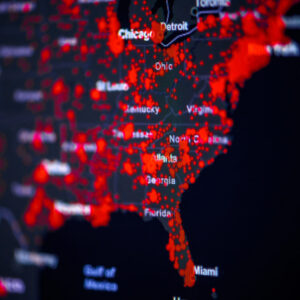
Taken together, the public health and case‑based data indicate that artificial stone silicosis is multi‑state and multi‑regional, not limited to any single geographic area.
Underreporting and Hidden Cases: Why the True Numbers Are Higher
Public health officials and researchers consistently warn that existing case counts understate the true burden of disease due to:
- Delayed recognition of artificial stone as a unique hazard
- Limited screening for silicosis in primary care settings
- Barriers to healthcare access for many fabrication workers
- Silicosis being made a reportable condition only recently in key states like California
Peer‑reviewed prevalence studies in other countries show silicosis rates in artificial stone workers ranging from 11% to over 50%, and internal data from fabrication shop cohorts in the U.S. suggest rates may reach up to 80% of workers in some settings.
When such prevalence rates are applied to the number of countertop fabrication workers nationwide, it indicates that:
- Confirmed cases represent only a fraction of those actually affected
- Many workers with early‑stage silicosis (such as lymph node or simple silicosis) may not yet be diagnosed
- A significant number of workers may develop disease in coming years even if exposures have ended
Who Is at Risk? Occupational Roles and Tasks
The epidemiology of artificial stone silicosis in the U.S. centers on specific roles and exposure patterns:
- Fabricators who cut, grind, polish, and drill crystalline silica artificial stone slabs
- Installers who trim and modify artificial stone at job sites
- Workers performing cutting, edge profiling, and polishing tasks
- Workers in shops that have shifted from natural stone to artificial stone, significantly increasing daily exposure
The disease affects workers across shop types—from small, family‑run operations to large facilities with advanced equipment.
Conclusion
The U.S. artificial stone silicosis epidemic is now clearly visible in public health surveillance, regulatory testimony, and investigative reporting. California’s detailed data—showing hundreds of cases, dozens of deaths, and more than half of fabrication shops affected—demonstrate the scale of the crisis in one state. Massachusetts’ first confirmed case, combined with legal and medical data from 22 additional states, shows that this is a national phenomenon.
Because of underreporting and limited screening, the true number of artificial stone silicosis cases is almost certainly far higher than current counts suggest. As more workers are evaluated and more states strengthen surveillance, national epidemiology is likely to reveal an even broader and more serious impact on fabrication workers and their families.