
Sky News Exposes California’s Artificial Stone Silicosis Crisis — A Global Warning
May 25, 2026
California regulators have taken an important step in addressing the growing number of severe silicosis cases linked to artificial stone used in countertop fabrication. On May 21, 2026, the California Occupational Safety and Health Standards Board voted to advance rulemaking related to artificial stone containing more than 1% crystalline silica.
The decision followed months of review and hours of testimony, as detailed in a recent KQED investigation, “California Steps Closer to Ban on Engineered Stone After Silicosis Surge,” by contributor Farida Jhabvala Romero. The article provides a detailed look at the medical evidence, regulatory process, and personal stories that shaped the Board’s vote.
Understanding Artificial Stone and Silicosis Risk
Artificial stone—also referred to as engineered stone or manufactured stone—is commonly used for kitchen and bathroom countertops. The material is at least 90% crystalline silica, with the remaining portion made up of other highly toxic substances.
When cut or polished, artificial stone releases nano‑sized silica particles, along with other toxic glues, dyes and resins known as volatile organic compounds (VOCs), that are inhaled deep into the lungs. Physicians cited in the KQED report have observed that exposure to this dust has been associated with an aggressive and accelerated form of silicosis.
According to the investigation, more than 560 California stoneworkers have been diagnosed with advanced silicosis, with at least 31 deaths reported since 2019 and dozens of individuals undergoing lung transplants. Many cases have been confirmed within the past three years, highlighting how quickly the disease can progress and how widespread this epidemic has become.
What Prompted the May 21 Board Vote
As outlined in the KQED report and reflected in Brayton Purcell LLP’s press release, the Board’s action followed a petition submitted by the Western Occupational and Environmental Medicine Association (WOEMA). The petition requested an expedited regulatory review related to artificial stone with high crystalline silica content.
Medical professionals, industrial hygienists, and affected workers testified that existing controls and enforcement measures have not prevented continued diagnoses of advanced silicosis. The Board ultimately voted to begin a fast‑track rulemaking process, while also directing further technical review through advisory committees.
“This investigation provides a clear and well‑documented account of the human impact associated with artificial stone exposure,” said James Nevin, a partner with Brayton Purcell LLP. “The firsthand testimony shared in this reporting underscores how devastating silicosis can be for workers and their families, and why awareness of credible, fact‑based journalism on this issue is so important.”
A Client’s Perspective: José Andrade Peña
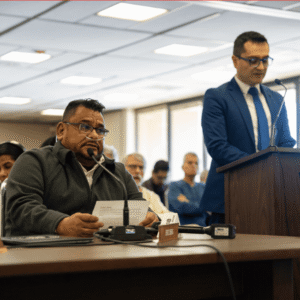
The KQED article features testimony from José Andrade Peña, an Oakland resident and Brayton Purcell LLP client, who was diagnosed with advanced silicosis in 2024 after years of working in countertop fabrication.
Peña testified in person before the Occupational Safety and Health Standards Board while carrying the oxygen machine he now relies on to breathe. His testimony reflected the daily challenges faced by individuals living with advanced silicosis.
Following the Board’s May 21 vote, Peña shared his reaction:
“What great news. It comes as a huge relief to me and to many of my colleagues that are still working with this highly dangerous material. God is great.”
His experience, as reported by KQED, illustrates how silicosis can affect not only physical health but also a person’s ability to work and support their family.
Why This Story Matters Beyond California
The KQED investigation notes that California is currently the only state actively tracking artificial stone–related silicosis cases, even though similar diagnoses have been identified elsewhere in the United States. Physicians quoted in the article described lung transplantation as an extremely costly medical intervention that often extends life for only a limited period.
These findings underscore the seriousness of advanced silicosis and the importance of understanding how exposure occurs and how rapidly the disease can progress.
Brayton Purcell LLP and Silicosis Awareness
Brayton Purcell LLP has decades of experience representing individuals and families affected by asbestos exposure and occupational lung diseases, including silicosis from exposure to respirable crystalline silica. The firm closely follows medical research, regulatory developments, and investigative reporting related to toxic dust exposure to better understand issues affecting workers and their communities.
Investigative journalism, such as this KQED report, plays a critical role in documenting medical findings and giving voice to individuals living with occupational lung disease.
Read the full KQED investigation:
California Steps Closer to Ban on Engineered Stone After Silicosis Surge