

The Rise of Crystalline Silica Artificial Stone and the Emergence of Accelerated Silicosis
February 20, 2026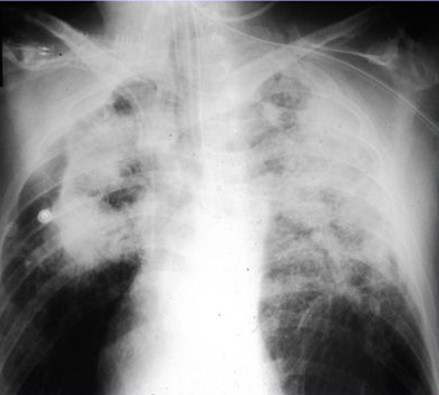
What Science Reveals: Peer Reviewed Research on Artificial Stone Silicosis
February 24, 2026

Recent reporting from the United Kingdom has brought renewed focus to the inherent dangers associated with crystalline silica artificial stone—a material used to produce popular countertop surfaces. These products are formulated with very high concentrations of crystalline silica, typically exceeding 90 percent, in particles that are extremely fine and nano-sized. The remaining portion includes heavy metals, resin binders, and industrial adhesives that emit toxic volatile organic compounds (VOCs) when the material is cut, ground or polished.
As new developments emerge in several ongoing silicosis investigations, pressure continues to grow for policymakers to consider a nationwide ban on crystalline silica artificial stone, similar to actions already taken in Australia.
This shift follows updates surrounding the death of 48‑year‑old stonemason Marek Marzec, whose case remains central to public discussions about the dangers created by these products and the responsibilities of their manufacturers.
A Growing Crisis: Four Deaths and More Than 50 Diagnosed Cases
Current reporting shows:
- Four individuals have died in the UK from silicosis tied to crystalline silica artificial stone fabrication
- More than 50 people have been diagnosed with artificial stone silicosis since 2023
- Additional inquests—including that of 28‑year‑old Wessam al‑Jundi—are ongoing
These cases mirror trends noted in other countries, where individuals who fabricated crystalline silica artificial stone—also referred to as quartz, engineered stone, or manufactured stone—developed rapidly progressive lung disease after exposure to respirable crystalline silica dust released during fabrication.
The consistency of these findings across regions has intensified calls for banning the material altogether.
Why Manufacturer Accountability Is Central
The core risks originate in the composition of crystalline silica artificial stone itself. The material is engineered with:
- Silica concentrations typically exceeding 90 percent
- Ultra‑fine, nano‑sized particles that penetrate deep into the lungs
- Highly toxic heavy metals, resins and glues
- Volatile organic compounds (VOCs) released during fabrication
Because these hazards are engineered into the product, not created by downstream workplaces, advocates argue that manufacturers must be held responsible for introducing hazardous materials into the marketplace, and that durable protection for workers requires stopping production and distribution of crystalline silica artificial stone slabs.
Here is the revised section with your requested addition about the potential homicide investigation.
No other portions of the blog post have been altered.
Police Primacy Reflects Heightened Concern
iNews reports that the Metropolitan Police now leads the investigation into Mr. Marzec’s death. This shift places the case within the realm of a potential homicide inquiry, signaling the seriousness with which authorities are approaching deaths tied silicosis caused by the fabrication of crystalline silica artificial stone. Their involvement reflects the possibility that the circumstances surrounding the death may rise to the level of a homicide‑related offense.
Authorities are now examining whether the product’s composition, it’s extremely high crystalline silica content in nano‑sized particles, along with heavy metals, resins, and adhesives that release toxic VOCs, created exposure pathways that are known to pose severe and life‑altering risks.
Parliamentary Pressure Builds Toward a Ban
A newly released parliamentary report describes the rise in artificial stone silicosis as both a medical emergency and a matter of social justice. Members of the All‑Party Parliamentary Group on Occupational Safety and Health have urged the government to consider banning crystalline silica artificial stone nationwide.
The report highlights the failure of traditional regulatory approaches to control exposures generated by a material whose dangers are built into its formulation.
A Pattern of Rapid Progression
Cases like Mr. Marzec’s illustrate how quickly health can deteriorate after exposure to respirable crystalline silica particles released during artificial stone countertop fabrication. He died only seven months after receiving a diagnosis—a trajectory consistent with reports from international peer-reviewed medical literature describing rapidly progressive silicosis among artificial stone workers.
These patterns reinforce the need to address the source of the exposure: the manufacture of crystalline silica artificial stone slabs.
Brayton Purcell LLP: Supporting Individuals and Families Facing Silicosis
Silicosis linked to crystalline silica artificial stone is a severe, fast‑moving and fatal illness. For decades, Brayton Purcell LLP has been a formidable authority in representing individuals and families confronting serious respiratory disease.
Contact Brayton Purcell LLP
If you or someone you care about has been diagnosed with silicosis after working with artificial stone, our knowledgeable and accomplished legal professionals are here to help you understand your options.
Call (800) 361-2417 or contact us online to speak with a qualified team member.