

The Rise of Crystalline Silica Artificial Stone and the Emergence of Accelerated Silicosis
February 20, 2026
The History of Silicosis: From Ancient Stonecutters to the Modern Artificial Stone Crisis
February 18, 2026
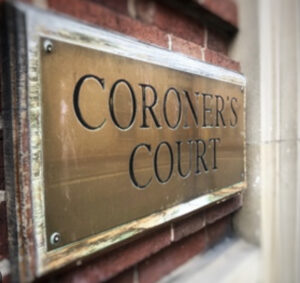
A pre‑inquest review hearing began on February 16 to explore the circumstances surrounding the death of 48‑year‑old stone worker Marek Marzec, whose case has brought heightened attention to the health risks associated with cutting crystalline silica artificial stone.
This blog post discusses information first reported by Paul Day in Air Quality News, which covered key developments related to the upcoming inquest and the concerns raised by Mr. Marzec’s experience.
Mr. Marzec passed away on November 30, 2024, at Whittington Hospital in north London, only seven months after being diagnosed with silicosis. For 12 years, he worked in London and Hertfordshire fabricating and installing kitchen worktops made from crystalline silica artificial stone—also sometimes referred to as engineered stone or manufactured stone. Artificial stone typically contains at least 90% silica, with nano‑sized silica particles bound together with VOCs, including toxins and carcinogens.
Cutting or drilling this material can release extremely high levels of respirable crystalline silica dust, which is linked to serious and irreversible lung disease.
A Worker’s Story of Rapidly Declining Health
During his final months, Mr. Marzec spoke publicly from his hospital bed about the severity of his symptoms and the speed at which his condition deteriorated. His statement underscored the profound human cost of exposure to respirable crystalline silica:
“I cannot tell you how angry I am that I was allowed to work in these conditions and that my life has been cut short simply for doing my job. I came to the UK to build a better life for my family, but instead I am unable to breathe and in terrible pain.”
His words have resonated widely, emphasizing the need for greater understanding about the risks associated with crystalline silica artificial stone.
Growing Awareness of Silicosis Among Artificial Stone Workers
As noted in Air Quality News, concerns have been rising across the UK about workers developing rapidly progressive silicosis after cutting or drilling crystalline silica artificial stone. Many reported cases involve severe respiratory impairment, significant disability, and—in some instances—consideration of lung transplantation.
Internationally, awareness has reached a point where Australia enacted a nationwide prohibition on artificial stone in 2024, citing substantial risks to workers.
Regulatory Context in the UK
According to reporting by Paul Day, the UK government did not indicate plans to restrict artificial stone products at the time. Officials pointed to existing employer obligations under the Control of Substances Hazardous to Health (COSHH) regulations as the primary framework governing respirable crystalline silica exposure.
In parliamentary discussions, one minister stated that available information suggested no individuals had suffered long‑term harm linked to artificial stone exposure. Mr. Marzec’s death was later referenced as an example challenging that understanding.
Purpose of the Inquest Review
The pre‑inquest review will help define the issues that the coroner will examine, including:
- The nature of Mr. Marzec’s work with crystalline silica artificial stone
- His exposure to respirable crystalline silica dust
- How his illness progressed
- What information he had regarding the risks
Silicosis linked to artificial stone has demonstrated the potential to develop quickly, especially when nano‑sized silica particles are inhaled in significant amounts. The findings of the inquest may provide insight that is important to workers, families, and health professionals across the UK.
Brayton Purcell LLP – Supporting Workers and Families Facing Silicosis
For decades, Brayton Purcell LLP has been a formidable authority in representing individuals and families affected by serious lung diseases, including those associated with respirable crystalline silica exposure. Our firm is known for experienced, client-focused advocacy and a longstanding commitment to helping workers harmed by dangerous occupational exposures.
If you or someone you care about has been diagnosed with silicosis after working with crystalline silica artificial stone, our experienced team is here to provide professional guidance.
Contact Brayton Purcell LLP today or give us a call now at (800) 361-2417 to discuss your situation with a knowledgeable legal professional.