

New Bloomberg Law Report Highlights Growing Concern Over Silicosis Cases Beyond California
September 16, 2026
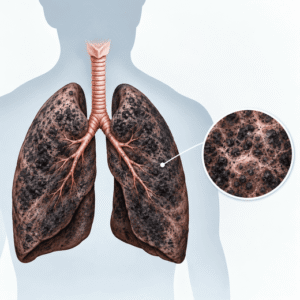
This article is inspired by reporting published by The Guardian on September 12, 2026.
For many Americans, black lung disease is the occupational illness most associated with dangerous dust exposure. Images of coal miners struggling to breathe have long served as a reminder of the devastating consequences of inhaling harmful airborne particles over time.
Today, however, a growing number of physicians, researchers, and legal professionals are focused on another fatal occupational disease: artificial stone silicosis.
While black lung disease remains a serious concern in mining communities, the rise of artificial stone silicosis among countertop fabrication workers has emerged as one of the most alarming occupational health developments in decades. Individuals who cut, grind, polish, and install crystalline silica artificial stone countertops are developing severe lung disease, sometimes after only a fraction of the exposure period historically associated with coal mining illnesses.
The comparison to black lung disease is important because it helps illustrate the severity of the threat. Both conditions can involve exposure to respirable crystalline silica, but the exceptionally high silica content found in artificial stone has created a new and rapidly growing source of exposure for workers throughout the United States.
Why Artificial Stone Silicosis Is Receiving Increased Attention
Artificial stone, which may also be referred to as engineered stone or manufactured stone, contains extremely high concentrations of respirable crystalline silica.
Artificial stone slabs are composed of:
- Approximately 90% or more crystalline silica
- Nano-sized respirable crystalline silica particles created during fabrication
- Approximately 10% resins, dyes, heavy metals and other highly toxic substances
When artificial stone slabs are cut, shaped, polished, ground, and installed, workers are exposed to large quantities of respirable silica dust. These microscopic particles penetrate deep into the lungs where they cause permanent scarring.
As physicians continue documenting new cases, artificial stone silicosis has become a leading concern among occupational lung disease researchers. Unlike some historical silica exposure scenarios, many workers diagnosed with artificial stone silicosis are relatively young and have spent significantly fewer years in their trade before developing severe respiratory impairment.
What Is Artificial Stone Silicosis?
Artificial stone silicosis is a progressive and irreversible lung disease caused by inhaling crystalline silica dust generated during the fabrication of artificial stone products.
The disease develops when silica particles become trapped within the lungs, triggering inflammation and scar tissue formation. Over time, lung function declinse substantially.
Common symptoms of artificial stone silicosis include:
- Shortness of breath
- Chronic cough
- Fatigue
- Chest discomfort
- Reduced ability to perform physical activities
For some workers, artificial stone silicosis advances to respiratory failure, the need for supplemental oxygen, or even lung transplantation.
There is currently no cure for artificial stone silicosis.
Artificial Stone Silicosis and Black Lung Disease: Understanding the Connection
The comparison between artificial stone silicosis and black lung disease is not simply symbolic.
Researchers have increasingly recognized that silica exposure plays a significant role in severe forms of lung disease affecting coal miners. In both settings, workers inhale respirable dust particles that cause permanent lung damage.
The key difference is the source of exposure, and the rapid acceleration of the disease in artificial stone countertop workers.
Coal miners may encounter silica-containing dust while extracting coal and surrounding rock formations. Countertop fabrication workers encounter silica while cutting and finishing artificial stone materials that contain exceptionally high concentrations of crystalline silica.
In both cases, workers may not experience symptoms immediately. Lung damage can continue progressing for years before becoming apparent. However, the extremely high concentrations and nano sized structure of crystalline silica present in artificial stone have led to more aggressive forms of the disease.
That is why many medical professionals now point to artificial stone silicosis as a modern occupational disease that deserves the same level of attention historically given to black lung disease.
Why Artificial Stone Presents Unique Risks
Unlike many natural materials, artificial stone contains extremely high silica concentrations.
The widespread popularity of artificial stone countertops has created increased demand for fabrication and installation services. This growth has expanded the number of workers routinely handling silica-rich materials.
As the use of artificial stone products increased, physicians began reporting clusters of artificial stone silicosis cases in multiple states. Some workers required lung transplants. Others lost their lives to complications related to their disease.
These cases have elevated concerns regarding the long-term health effects associated with occupational exposure during artificial stone fabrication.
Recognizing Potential Signs of Artificial Stone Silicosis
Workers who have been employed in countertop fabrication, countertop installation, or related occupations should be aware of potential warning signs.
Symptoms may include:
- Persistent shortness of breath
- Ongoing cough
- Wheezing
- Exercise intolerance
- Fatigue
- Reduced lung capacity
Because artificial stone silicosis may progress even after exposure ends, medical evaluation is important when symptoms develop.
The Human Cost of Artificial Stone Silicosis
Behind every diagnosis of artificial stone silicosis is a worker whose life has been permanently altered.
Many affected individuals entered the countertop fabrication industry expecting stable careers and long-term employment. Instead, some have faced chronic respiratory illness, major medical expenses, loss of earning capacity, and significant reductions in quality of life.
The stories emerging from artificial stone fabrication facilities have led many observers to compare the current situation to earlier generations of workers affected by black lung disease. The comparison reflects the devastating impact these illnesses can have on workers and their families.
Legal Considerations for Individuals Diagnosed with Artificial Stone Silicosis
Individuals diagnosed with artificial stone silicosis may have important legal rights depending on their specific circumstances and exposure history.
Potential cases often involve detailed investigations into:
- Work history
- Product exposure history
- Medical evidence
- Industrial hygiene information
- Product identification
Because every situation is unique, workers diagnosed with artificial stone silicosis should consider discussing their circumstances with qualified legal counsel familiar with occupational disease litigation.
Contact Brayton Purcell LLP
If you or a loved one has been diagnosed with artificial stone silicosis or another silica-related disease after working with artificial stone countertops, Brayton Purcell LLP can help evaluate your situation.
Our attorneys have extensive experience representing individuals and families affected by occupational diseases, toxic exposures, and serious lung injuries.
Contact Brayton Purcell LLP today for a confidential consultation.