

For generations, asbestos has been tied to deadly diseases. Most people know about mesothelioma, but fewer realize asbestos also causes a significant share of lung cancer around the world. Recent peer‑reviewed research helps explain how big the problem is, why risk persists for decades, and how screening can save lives—especially for people with confirmed exposure.
Global Data Reveals the Scope of Asbestos-Related Lung Cancer
Two global, open‑access studies published in 2025 offer sobering numbers:
BMJ Public Health
“Asbestos‑related thoracic cancers (ARTCs)… accounted for over 95% of deaths from asbestos‑related cancers” and warn that even as some rates fall, “the absolute number of ARTC deaths is rising due to population growth and aging.” They also stress that “the positive impact of asbestos ban policies… takes decades to manifest.”
Environmental Health
Scientists estimate that “9.4% of lung cancer deaths” worldwide in 2021 were linked to occupational asbestos exposure and note:
“We observed, approximately 25 years after the complete ban on asbestos use, a declining trend for lung cancer incidence, as well as for mortality and DALYs due to asbestos exposure.”
What this Means for Families
Even if asbestos is banned today, legacy materials in buildings, ships, and older products can continue to harm people for decades. The damage doesn’t disappear overnight.
Non-Occupational Exposure Still Poses Serious Risk
A BMJ systematic review found:
“A significant increase in the risk of lung cancer was found for neighborhood exposure (1.48, 95% CI 1.18 to 1.86),” indicating that living near asbestos sources raises risk even outside workplaces.
Screening Can Save Lives—If Exposure History is Considered
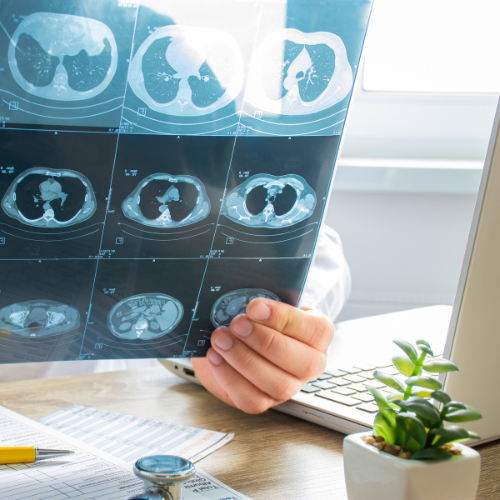
Low‑dose CT (LDCT) lung cancer screening helps high‑risk people live longer by finding tumors earlier. A widely cited review concludes:
“Asbestos exposure is the most important cause of occupational lung cancer mortality,” and
“The promotion of LDCT‑based screening among asbestos‑exposed workers is an urgent priority.”
Who Should Get Screened?
The same review suggests screening workers aged 50 and older with five or more years of asbestos exposure (or fewer years if exposure was intense), especially when combined with smoking history.
Bottom Line
If you know—or strongly suspect—you were exposed to asbestos, ask your doctor whether LDCT screening fits your situation.
Why Asbestos Is Still Dangerous Even Long After Exposure
Asbestos fibers are microscopic and durable. Once inhaled, they can lodge deep in the lungs for decades, fueling inflammation, scarring, and genetic damage. That’s why experts emphasize the long latency between exposure and diagnosis and why global studies observe benefits years—often decades—after bans.
Practical Steps Families and Workers Can Take Now
Taking proactive steps can protect your health and strengthen any future legal claims.
Know Your History
Workplaces (construction, shipbuilding, power plants), military service, home renovations, and environmental hotspots all matter.
Talk to a Clinician
If you have documented or likely exposure, ask about LDCT screening and risk‑based monitoring.
Document Exposure
Keep records of jobs, worksites, products, and any building or demolition activity that could have released asbestos.
Protecting Your Rights After Asbestos Exposure
If you or someone you know has been exposed to asbestos and later developed lung cancer or a related condition, Brayton Purcell LLP can help you understand your rights and options. Our team has decades of experience investigating exposure pathways and pursuing accountability.
Contact Brayton Purcell LLP or call (844) 768-0794 for a free consultation.