
A recent systematic review and meta-analysis by Sarshogi et al., published in the Journal of Vascular and Interventional Radiology, highlights percutaneous cryoablation as an important advancement in lung cancer treatment. This minimally invasive procedure uses cycles of extreme cold to destroy cancerous tissue and is emerging as a critical option for patients who cannot undergo surgery, the standard treatment option, often because of severely compromised lung function.
Study Findings: High Efficacy in Tumor Control
The review analyzed 19 studies involving 786 patients and 1,048 tumors. The results are compelling: cryoablation achieved a pooled 1-year local tumor control rate of 90.5%, demonstrating strong effectiveness in lung tumors. Smaller tumors responded best, and the most successful treatment protocol involved three freeze-thaw cycles, starting with a short freeze, followed by two longer freezes, and ending with a thaw phase. This triple-cycle approach outperformed double-cycle protocols, offering evidence-based guidance for optimal outcomes.
Safety Profile: Low Complication Rates
Safety outcomes were encouraging as well. Major complications occurred in only 4.9% of cases, with pneumothorax (collapsed lung) and hemoptysis being the most common issues. Compared to surgical resection, cryoablation carries a significantly lower risk, making it particularly suitable for patients with fragile respiratory systems.
Critical Benefits for Artificial Stone Silicosis Patients
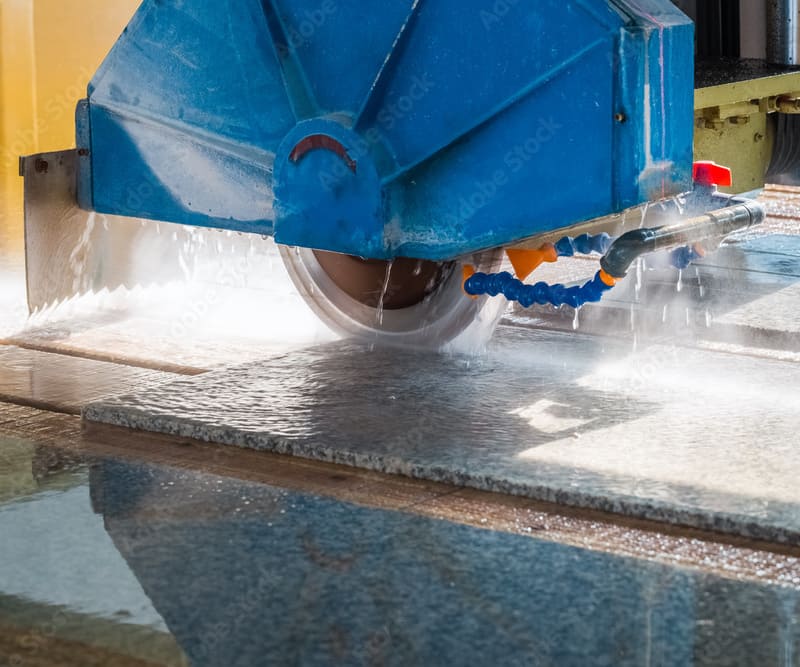
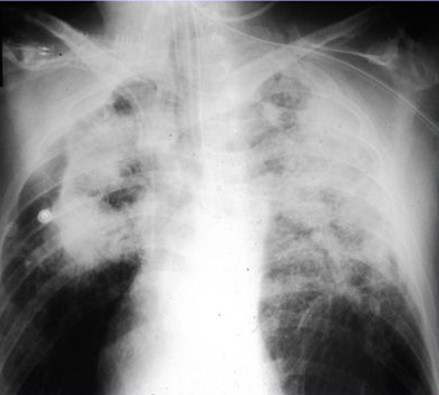
Given these findings, cryoablation is especially relevant for patients with severely impaired lung function. This includes individuals with artificial stone silicosis, a progressive, incurable disease caused by occupational exposure to respirable crystalline silica, who face an elevated risk of lung cancer but often cannot tolerate major surgery.
For these patients, cryoablation provides a practical alternative: a minimally invasive procedure that achieves local tumor control while reducing trauma and preserving surrounding tissue. Its lower complication rates and ability to minimize pain make it a viable option when traditional surgical choices are not possible.
Why Cryoablation May Outperform Other Techniques
Cryoablation also offers advantages over other ablative techniques such as radiofrequency or microwave ablation. Unlike heat-based methods, cryoablation allows real-time visualization of the ice ball on CT imaging, improving precision and reducing damage to surrounding tissue. These benefits are particularly important in patients with limited pulmonary reserve.
Future Research
Looking ahead, research is focused on refining freeze-thaw protocols, assessing long-term survival outcomes, and evaluating cryoablation in combination with systemic therapies, including immunotherapy. These efforts will help determine how cryoablation fits into comprehensive cancer care for high-risk populations.
Expanding Application
Beyond lung tumors, cryoablation is being explored for pleural mesothelioma, with promising early results in reducing recurrence and improving quality of life. These findings underscore its potential role in managing thoracic malignancies beyond traditional lung cancer. Current evidence indicates that cryoablation is not just an alternative—it is an effective treatment option for patients with lung cancer who are not candidates for surgery, such as those with silicosis or other conditions that severely limit pulmonary function.
Need Legal Guidance? We’re Here to Help
If you or someone you know worked as an artificial stone countertop fabricator and has been diagnosed with silicosis or lung cancer, you may have legal options.
Call Brayton Purcell LLP today at (800) 361-2417 or fill out our contact form to speak with a knowledgeable legal professional about your situation.
Citation:
Sarshoghi, A., Sarshoghi, A., Têtu, M., Ng, C. S. H., Yarmus, L., Bourgouin, P., Solomon, S. B., Herth, F., Liddell, R. P., & Liberman, M. (2025). Cryoablation Protocols for Primary and Metastatic Lung Tumors: A Systematic Review and Meta-Analysis Evaluating Effectiveness and Safety of Percutaneous Cryoablation of Pulmonary Tumors. Journal of Vascular and Interventional Radiology: JVIR, 107871. Advance online publication. https://doi.org/10.1016/j.jvir.2025.10.004