
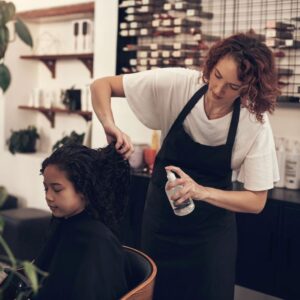
The U.S. Food and Drug Administration (FDA) has announced plans to ban formaldehyde in hair straightening products—a move widely praised by health advocates. However, the timeline for enforcement has been pushed back, sparking debate about consumer safety and industry readiness.
Why Formaldehyde Is Under Fire
Formaldehyde is a chemical commonly used in
hair straightening treatments, including popular keratin-based products. When
heated during salon procedures, it releases toxic fumes that can cause
respiratory problems, eye irritation, and even increase cancer
risk with prolonged exposure. These dangers affect not only clients but
also salon professionals who handle these products daily.
The FDA’s Original Plan and the Delay
Initially, the FDA aimed to implement the
ban swiftly, citing strong evidence of health hazards. However, the agency has
now delayed the deadline, giving manufacturers more time to reformulate
products or remove them from shelves. The delay stems from industry pushback
and logistical challenges in transitioning to safer alternatives.
While the FDA emphasizes that the ban is still coming, the extended timeline means consumers and stylists remain exposed to potential risks for longer than expected. Critics argue that this delay prioritizes business concerns over public health, while supporters claim it allows for a smoother transition without disrupting salon operations.
Impact on Salons and Consumers
For salons, the delay offers breathing room
to adjust service menus and source compliant products. Many professionals are
already exploring formaldehyde-free alternatives, such as glyoxylic acid-based
treatments, which promise similar results without the toxic fumes.
Consumers, on the other hand, face a
dilemma: continue using traditional straightening treatments or seek safer
options now. Awareness is key—checking product labels and asking stylists about
ingredients can help minimize exposure during this transition period.
A Pivotal Moment for the Beauty Industry
The FDA’s move, even with delays, signals a
broader shift toward clean beauty and stricter safety standards. Manufacturers
will need to innovate, creating products that deliver performance without
compromising health. Expect to see more transparency in labeling and marketing
as brands compete to position themselves as safe and compliant.
Safer Alternatives to Formaldehyde
As the industry prepares for change,
several formaldehyde-free options are gaining traction:
Glyoxylic Acid-Based Treatments
These treatments smooth hair without
releasing harmful fumes. While they may not deliver the same ultra-straight
finish as traditional keratin treatments, they significantly reduce health
risks.
Cysteine and Amino Acid Systems
These formulas use naturally occurring
compounds to relax curls and reduce frizz. They’re gentler on hair and safer
for both clients and stylists.
Heat-Free Smoothing Solutions
Some brands are introducing treatments that
rely on conditioning agents and polymers rather than chemical reactions,
eliminating the need for high heat and reducing exposure to toxins.
Plant-Based and Organic Options
The clean beauty movement is inspiring products that use botanical ingredients to nourish and smooth hair, appealing to health-conscious consumers.
Protecting Your Rights: Brayton Purcell LLP Is Here to
Help
If you believe you’ve been harmed by
formaldehyde, Brayton Purcell
LLP can help. Our experienced legal team specializes in cases involving
toxic exposure and consumer safety.
Contact us today to
discuss your options and protect your rights or call (800)
361-2417 for a free consultation.