

Washington State Health Officials Warn of Escalating Artificial Stone Dust Hazards
September 2, 2026
Jury Assesses $7.1 Million to Family of Artificial Stone Fabrication Worker Who Died from Silicosis
August 28, 2026
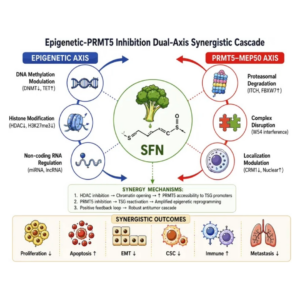
Image credit: https://www.frontiersin.org/journals/pharmacology/articles/10.3389/fphar.2026.1865620/full
Research Suggests Sulforaphane May Influence Cancer-Related Pathways
For years, researchers have observed that people who eat diets rich in cruciferous vegetables such as broccoli, brussels sprouts, kale, and cabbage tend to have lower rates of certain cancers. A new systematic review by Ping Yan , Changfeng Sun, and Cunliang Deng shines a spotlight on a promising compound behind this protective effect: sulforaphane.
What Is Sulforaphane?
Sulforaphane is produced when cruciferous vegetables are chopped, chewed, or digested. It forms through a natural reaction involving a plant compound called glucoraphanin and an enzyme known as myrosinase.
Researchers have long studied sulforaphane for its antioxidant and anti-inflammatory properties. More recent investigations suggest it may also influence processes involved in cancer prevention.
How Sulforaphane May Affect Gene Activity
One area of growing interest involves epigenetics, the study of changes in gene activity that occur without altering DNA itself.
These changes act like switches that can turn genes on or off. Cancer cells often use epigenetic mechanisms to silence protective genes and promote uncontrolled growth.
Researchers believe sulforaphane may help reverse some of these harmful changes by affecting biological processes involved in gene regulation. By influencing these pathways, sulforaphane may help restore normal cellular function and support the body's natural defenses against disease.
A Potential Impact on Cancer-Promoting Proteins
Research has also focused on a protein complex known as PRMT5-MEP50, which has been associated with cancer progression in several types of malignancies.
Higher activity of this complex has been linked to:
- Tumor growth
- Treatment resistance
- Poorer patient outcomes
Laboratory studies suggest sulforaphane may interfere with these cancer-promoting processes by reducing the activity of proteins involved in tumor development.
These findings are still being investigated, but researchers believe they may help explain why diets rich in cruciferous vegetables have been associated with positive health outcomes.
What Clinical Research Has Found
Evidence supporting sulforaphane extends beyond laboratory research.
Studies involving animals and humans have examined its potential effects on biomarkers linked to cancer development. In one clinical trial involving former smokers, sulforaphane supplementation was associated with favorable changes in a marker of cellular proliferation within the airways.
Researchers have also reported that sulforaphane-rich preparations were generally well tolerated in clinical settings.
While these findings are encouraging, additional research is needed to determine how these biological effects may influence long-term cancer risk.
Why These Findings May Matter for Mesothelioma Research
The findings may be particularly relevant to cancers associated with environmental and occupational exposures.
Researchers increasingly recognize that epigenetic changes can contribute to the development of mesothelioma, a rare and aggressive cancer most often linked to asbestos exposure. Abnormal patterns of gene regulation have been identified in mesothelioma cells and may play a role in tumor growth and treatment resistance.
Although the recent research did not specifically examine mesothelioma, sulforaphane's potential influence on epigenetic pathways raises important questions about whether similar mechanisms could someday play a role in prevention strategies or supportive therapies for asbestos-related diseases.
Additional studies will be necessary before any conclusions can be drawn.
Potential Benefits for Lung Health
Sulforaphane may have implications beyond cancer prevention.
Chronic inflammation and oxidative stress are believed to contribute to a variety of respiratory conditions, including:
- Chronic obstructive pulmonary disease (COPD)
- Pulmonary fibrosis
- Occupational lung diseases
Previous research suggests sulforaphane may activate the body's Nrf2 pathway, an important defense system against oxidative damage.
By supporting antioxidant responses and helping reduce inflammation, sulforaphane may contribute to overall respiratory health. However, dietary compounds should never be considered replacements for proven medical treatment or appropriate exposure prevention measures.
The Bottom Line
The latest research reinforces an important message: compounds naturally found in everyday foods may influence multiple biological pathways involved in disease development.
Sulforaphane appears to affect mechanisms related to inflammation, oxidative stress, gene regulation, and cellular growth. As scientists continue exploring its potential health benefits, cruciferous vegetables such as broccoli, kale, cabbage, and Brussels sprouts may offer more than nutritional value alone.
While no food can prevent cancer, maintaining a healthy diet may be one important component of an overall strategy for protecting long-term health.
Contact Brayton Purcell LLP
A healthy diet cannot eliminate the risks associated with asbestos exposure or replace proper medical care.
If you or a loved one has been diagnosed with mesothelioma, lung cancer, or another asbestos-related disease, Brayton Purcell LLP can help you understand your legal rights and potential options for seeking compensation.
Contact Brayton Purcell LLP today for a free case evaluation.
 Call (844) 768-0794
