

How the Workers’ Compensation System Fails Many Workers Diagnosed with Silicosis
July 24, 2026
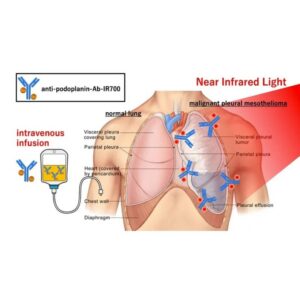
Credit: Kazuhide Sato. — Near-Infrared Light Therapy for Lung Cancer Treatment | Technology Networks
Lung cancer remains the leading cause of cancer-related deaths worldwide, despite decades of progress in surgery, chemotherapy, radiation therapy, and immunotherapy. While these treatments have improved survival, they are often limited by significant side effects and the inability to precisely target cancer cells. A promising new approach – near-infrared photoimmunotherapy (NIR-PIT) – may help overcome some of these challenges by combining the precision of targeted therapy with the power of immunotherapy. A new study by Ryu Okada and colleagues published in ImmunoTargets and Therapy details how NIR-PIT can be beneficial.
What is Near-Infrared Photoimmunotherapy?
NIR-PIT is an innovative cancer treatment that uses a specially designed antibody attached to a light-sensitive molecule called IRDye700DX. The antibody is engineered to recognize specific proteins found on the surface of cancer cells. Once the drug binds to its target, physicians expose the tumor to near-infrared light, typically at a wavelength of about 690 nanometers. This light activates the drug and triggers a unique form of cell death that selectively destroys the targeted cancer cells while largely sparing surrounding healthy tissue.
Unlike traditional photodynamic therapy, which relies on oxygen and the production of reactive oxygen species to kill cancer cells, NIR-PIT works through a different mechanism. The activated drug rapidly damages the cancer cell membrane, causing the cell to swell and rupture. Researchers have described this process as “photochemosis” which is a distinctive form of cell death that occurs almost immediately after treatment.
Why Lung Cancer is an Ideal Candidate
Lung cancer may be one of the best settings for NIR-PIT. The lungs contain large amounts of air, which allows the near-infrared light to penetrate tissue more effectively than in many other organs. This characteristic improves the ability of physicians to deliver light deep into the chest and activate the therapy where it is needed.
Researchers have also identified numerous molecular targets that are frequently overexpressed on lung cancer cells, including epidermal growth factor receptor (EGFR), HER2, mesothelin, and other tumor-associated antigens. Because NIR-PIT can be adapted to different targets simply by changing the antibody component, this technology offers remarkable flexibility. This means that treatments can potentially be tailored to the biological features of each patient’s tumor.
More Than Just Tumor Destruction
One of the most exciting parts of NIR-PIT is that it does more than just kill cancer cells. The sudden destruction of tumor cells releases cancer antigens and danger signals that stimulate the body’s immune system. This process, known as immunogenic cell death, can activate dendritic cells and cytotoxic T cells, helping the body to recognize and attack cancer cells that may exist elsewhere.
This immune activation raises the possibility of a systemic anti-cancer response, meaning that treatment directed at one tumor site could potentially help control disease throughout the body. Researchers believe that combining NIR-PIT with immune checkpoint inhibitors may further enhance these effects and improve long-term outcomes. Early studies have shown encouraging signs of synergy between these treatment strategies.
Current Progress and Clinical Development
NIR-PIT has already achieved an important milestone. In Japan, an EGFR-targeted NIR-PIT therapy received approval in 2020 for patients with recurrent head and neck cancer. This represented the first clinical approval of the technology and demonstrated that the approach can be successfully translated from laboratory research to patient care.
For lung cancer, research remains largely in the preclinical and early clinical stages, but momentum is growing rapidly. Scientists are investigating a wide range of targets and exploring new light-therapy techniques, including catheter-based systems and image-guided approaches that could improve treatment accuracy for tumors located deep within the chest.
Another area of ongoing development is light delivery. While the lungs are particularly favorable for NIR light penetration, some tumors remain difficult to access because of their location within the chest. Investigators are exploring fiber-optic catheters, bronchoscopy-guided systems, and image-guided techniques that could allow physicians to precisely illuminate tumors while minimizing treatment of surrounding tissue. These technological advances will be essential for expanding the clinical application of NIR-PIT to a broader range of patients.
A recent review highlighted the accumulating evidence supporting NIR-PIT as a highly specific treatment capable of repeated applications with an encouraging safety profile. Because the therapy selectively targets cancer cells and minimizes damage to normal tissues, it has the potential to reduce many of the toxicities associated with conventional therapies.
Looking Ahead
Although challenges remain – including identifying the best targets, refining light-delivery methods, and demonstrating long-term clinical benefits in large trials – the future of NIR-PIT appears bright. It offers a glimpse into a future where therapies are increasingly precise, personalized, and effective. As research continues, near infrared photoimmunotherapy may become a powerful addition to the fight against one of the world’s most devastating cancers.
If you or a loved one has been diagnosed with lung cancer after possible asbestos exposure, occupational exposure, or another known toxic exposure, you may have legal options. Understanding the source of exposure can be an important step in protecting your rights and your family’s future.
Brayton Purcell LLP helps people and families affected by asbestos-related diseases and toxic exposure injuries. Contact our team today to discuss your situation and learn whether you may be eligible to pursue a legal claim.
Speak with Brayton Purcell LLP today to learn more about your legal options.