
Brayton Purcell’s Jerry Peters selected as Novato Citizen of the Year
January 31, 2000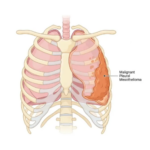
VISTA Expression May Help Predict Survival Outcomes in Mesothelioma Patients Treated with Nivolumab
September 10, 2026
Pleural mesothelioma remains one of the most challenging cancers to diagnose and treat. Caused primarily by asbestos exposure, the disease often develops decades after workers, military veterans, and their family members were exposed to dangerous asbestos fibers. Even today, mesothelioma is associated with significant medical, emotional, and financial challenges.
Recent recommendations developed by leading specialists in thoracic surgery, oncology, pathology, and radiation medicine reflect how rapidly mesothelioma care is evolving. The latest guidance emphasizes personalized treatment plans, multidisciplinary care, advances in staging technology, and a more selective approach to surgery.
For patients and families, the most important takeaway is clear: successful mesothelioma treatment increasingly depends on individualized care delivered by experienced specialists working together as a team.
Why Treatment Strategies for Mesothelioma Continue to Change
Mesothelioma is a rare cancer that develops in the lining surrounding the lungs, known as the pleura. Because symptoms often resemble more common respiratory conditions, diagnosis is frequently delayed.
Common symptoms include:
- Shortness of breath
- Persistent cough
- Chest pain
- Fluid buildup around the lungs
- Fatigue
- Unexplained weight loss
Historically, treatment options were limited, and survival rates were poor. Over the past decade, however, significant advances in imaging technology, surgical techniques, radiation therapy, chemotherapy, and immunotherapy have expanded the options available to patients.
As research continues to emerge, specialists increasingly recognize that no single treatment works for every patient. Instead, treatment planning must consider the individual's disease characteristics, overall health, and specific treatment goals.
Accurate Diagnosis Is the Foundation of Effective Care
One of the most important developments in mesothelioma management is the emphasis on obtaining a precise diagnosis before treatment begins.
Not all mesothelioma cases behave the same way. The disease is classified into several histologic subtypes:
Epithelioid Mesothelioma
This is the most common form of mesothelioma and generally carries the most favorable prognosis. Patients with epithelioid disease are often more likely to qualify for aggressive treatment approaches.
Biphasic Mesothelioma
Biphasic mesothelioma contains both epithelioid and sarcomatoid cells. Treatment decisions often depend on the proportion of each cell type present.
Sarcomatoid Mesothelioma
This subtype is typically more aggressive and may respond differently to treatment than other forms of mesothelioma.
Because treatment planning depends heavily on subtype identification, physicians increasingly emphasize obtaining sufficient tissue samples rather than relying solely on fluid testing.
For many patients, additional biopsies may be necessary when initial testing does not provide enough information to accurately characterize the tumor.
Advanced Imaging Is Improving Treatment Planning
Once mesothelioma is diagnosed, physicians must determine the extent of the disease before recommending treatment.
Modern imaging techniques have dramatically improved doctors' ability to evaluate cancer spread.
What Advanced Imaging Can Help Identify
PET/CT scanning has become a critical tool because it provides both anatomical and metabolic information. These scans help physicians identify:
- Hidden metastatic disease
- Enlarged or involved lymph nodes
- Areas that may require additional testing
- Patients who may benefit from surgery
- Patients who may require systemic therapy first
The more accurately physicians can determine disease stage, the better they can develop treatment plans tailored to each patient's needs.
In some cases, imaging also helps avoid unnecessary procedures by identifying disease spread that may not be visible using conventional imaging alone.
Multidisciplinary Care Is Now Considered Essential
Mesothelioma is no longer viewed as a disease that can be managed by a single physician or specialty.
Today, leading cancer centers rely on multidisciplinary teams that bring together experts from several fields, including:
- Thoracic surgery
- Medical oncology
- Radiation oncology
- Pulmonology
- Pathology
- Radiology
- Palliative care
This collaborative process allows specialists to review pathology findings, imaging studies, surgical options, and systemic treatment approaches simultaneously.
For patients, multidisciplinary care often results in more comprehensive treatment planning and greater access to advanced therapies.
It also helps ensure that all reasonable treatment options are considered before major decisions are made.
The Role of Surgery Continues to Evolve
Few areas of mesothelioma treatment have generated as much discussion as surgery.
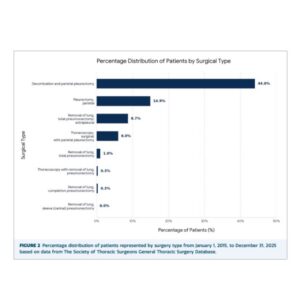
For decades, surgery was viewed as one of the primary treatment options for selected patients. More recently, researchers have questioned whether surgery should be used as broadly as it was in the past.
Current thinking suggests that surgery may still provide meaningful benefits for carefully selected patients when incorporated into a larger treatment strategy.
A Multimodal Approach to Treatment
Rather than viewing surgery as a standalone treatment, specialists increasingly consider it one component of a multimodal approach that may also include:
- Chemotherapy
- Immunotherapy
- Radiation therapy
- Clinical trial participation
Surgery Decision Factors
The decision to pursue surgery often depends on factors such as:
- Tumor subtype
- Disease stage
- Lymph node involvement
- Patient age
- Cardiovascular health
- Lung function
- Functional status
- Nutritional status
The goal is to identify those patients most likely to benefit while avoiding unnecessary risks for individuals unlikely to achieve meaningful improvement.
Lung-Sparing Procedures Are Now Preferred
One of the most significant shifts in mesothelioma surgery involves the transition toward lung-sparing techniques.
Historically, many patients underwent extrapleural pneumonectomy, a major procedure that removes an entire lung along with adjacent tissues affected by cancer.
Today, many specialists prefer procedures that preserve the lung whenever possible.
Pleurectomy/Decortication (P/D)
Pleurectomy/decortication removes tumor from the pleural lining while preserving the lung itself.
Extended Pleurectomy/Decortication (EPD)
Extended pleurectomy/decortication removes the pleura and may also involve portions of the diaphragm or pericardium when necessary.
These operations aim to eliminate visible tumors while maintaining as much lung function as possible.
Preserving the lung may help reduce surgical risk and support improved quality of life during recovery.
Complete Removal of Visible Disease Remains an Important Goal
When surgery is selected, physicians continue to emphasize the importance of removing as much visible cancer as possible.
The concept often referred to as macroscopic complete resection involves eliminating all visible and palpable disease that can be safely removed.
Although microscopic cancer cells may remain after surgery, extensive tumor removal can improve local disease control and create opportunities for additional therapies to address remaining cancer cells.
Specialists generally discourage limited surgical procedures that remove only a portion of the visible tumor without achieving meaningful disease reduction.
As a result, surgical planning focuses heavily on determining whether comprehensive tumor removal is achievable before proceeding.
Chemotherapy Remains a Key Part of Treatment
Despite advances in surgery and radiation therapy, systemic treatment remains an essential component of mesothelioma management.
Chemotherapy continues to play a vital role for many patients, particularly when cancer extends beyond the pleural lining.
Chemotherapy may be used:
- Before surgery
- After surgery
- As the primary treatment
- In combination with other therapies
Because every patient is different, treatment sequencing is increasingly personalized rather than standardized.
Physicians evaluate multiple factors when deciding on the best approach, including disease stage, expected treatment tolerance, and overall treatment goals.
Immunotherapy Is Changing the Mesothelioma Landscape
One of the most exciting developments in mesothelioma treatment involves immunotherapy.
Unlike chemotherapy, which directly attacks cancer cells, immunotherapy seeks to activate the body's immune system so it can recognize and fight cancer more effectively.
For some patients, immunotherapy has produced encouraging results and has become an important option within modern treatment plans.
Researchers continue to investigate how immunotherapy can be combined with surgery, chemotherapy, and radiation therapy to improve outcomes.
While not every patient will benefit equally from immunotherapy, it has become an increasingly important component of mesothelioma treatment discussions.
Specialized Mesothelioma Centers Matter
Because mesothelioma is rare, many hospitals encounter relatively few cases each year.
Specialized mesothelioma centers often provide:
- Experienced thoracic surgeons
- Dedicated mesothelioma programs
- Multidisciplinary tumor boards
- Access to clinical trials
- Advanced radiation techniques
- Specialized pathology review
Patients diagnosed with mesothelioma frequently benefit from obtaining a second opinion at a center that regularly treats the disease.
Even when treatment ultimately occurs closer to home, an expert evaluation may identify additional options that would otherwise be overlooked.
Treatment Options for Recurrent Mesothelioma
Unfortunately, recurrence remains common even after aggressive therapy.
However, advances in treatment are creating new opportunities for patients whose disease returns.
Depending on the circumstances, recurrent mesothelioma may be managed with:
- Additional surgery
- Immunotherapy
- Chemotherapy
- Targeted radiation therapy
- Clinical trial participation
Particularly promising is the use of stereotactic body radiation therapy (SBRT), which delivers highly focused radiation to precisely targeted tumor sites.
Other advanced radiation techniques, including proton therapy and intensity-modulated radiation therapy, may also help physicians treat recurrent disease while limiting exposure to surrounding healthy tissues.
What Newly Diagnosed Patients Should Do
A mesothelioma diagnosis can feel overwhelming, but there are important steps patients can take to ensure they receive appropriate care.
Seek Evaluation From Experienced Specialists
Mesothelioma requires expertise that may not be available at every medical center.
Confirm the Pathology Diagnosis
A second pathology review can help ensure the correct subtype has been identified.
Discuss All Available Treatment Options
Patients should understand surgery, immunotherapy, chemotherapy, radiation therapy, and clinical trial opportunities before making decisions.
Ask About Multidisciplinary Review
Cases reviewed by multiple specialists often result in more comprehensive treatment recommendations.
Consider a Second Opinion
A second opinion may provide additional treatment options and greater confidence in the recommended care plan.
Mesothelioma Is Still a Preventable Disease
Although treatments continue to improve, mesothelioma remains overwhelmingly linked to asbestos exposure.
Many patients diagnosed today were exposed decades ago while working in:
- Construction
- Shipbuilding
- Refineries
- Manufacturing
- Power generation
- Military service
- Industrial maintenance
Others were exposed indirectly through asbestos dust brought home on a family member's clothing.
Because asbestos exposure was often preventable, many mesothelioma victims may have legal rights that can help offset the significant financial burdens associated with treatment.
Get Answers About Your Mesothelioma Diagnosis and Legal Options
A pleural mesothelioma diagnosis can raise difficult questions about treatment, finances, and the future. While advances in medical care continue to expand treatment options, many patients and families are also entitled to seek compensation from the companies responsible for their asbestos exposure.
For decades, Brayton Purcell LLP has represented individuals and families affected by mesothelioma, asbestos-related lung cancer, and other asbestos diseases. Our firm has helped clients investigate where their exposure occurred and pursue compensation for:
- Medical expenses
- Lost wages and loss of earning capacity
- Pain and emotional distress
- Travel and treatment costs
- Loss of companionship and family support
- Wrongful death damages for surviving family members
If you or a loved one has been diagnosed with mesothelioma, it is important to act promptly. Evidence related to asbestos exposure can become more difficult to obtain over time, and legal deadlines may limit the amount of time available to file a claim.
Schedule a Free Consultation
Our experienced mesothelioma attorneys can review your work history, explain your legal rights, and help determine whether compensation may be available.
Contact Brayton Purcell LLP today for a free, no-obligation consultation.
Call us or complete our online contact form to speak with an attorney experienced in asbestos and mesothelioma litigation. There are no fees unless we recover compensation on your behalf.
📞 Call (800) 361-2417