

New York Issues Silicosis Alert as Artificial Stone Silicosis Warnings Spread Beyond California
September 4, 2026
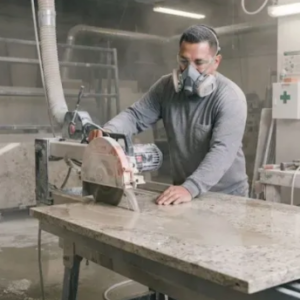
A troubling new report has revealed the growing scope of California's artificial stone silicosis crisis. According to an article published by Medical Daily and written by Cole Mercer, California public health officials had confirmed 592 cases of silicosis, including 31 deaths and 65 lung transplants, as of June 2026, among workers involved in artificial stone countertop fabrication. As of today, September 3, 2026, 635 confirmed cases have been reported, with 35 deaths and 74 having received lung transplants, 52 others have been referred for lung transplants and are on the statewide waiting list.
The findings, published in NEJM Evidence, paint a concerning picture of a preventable occupational disease affecting workers at younger ages and progressing more rapidly than historically seen in other silica-exposed industries.
A Single Case That Exposed a Statewide Problem
The California Department of Public Health first identified the outbreak in January 2019 when a 32-year-old countertop fabrication worker was diagnosed with silicosis. Tragically, he later died from respiratory failure at the age of 38.
Following that initial diagnosis, investigators identified two additional workers at the same fabrication company who also had silicosis, including another worker who later died from the disease.
Health officials then conducted screenings of the company's 43 employees. The screening uncovered five additional artificial stone silicosis cases, bringing the total from that single workplace to eight workers affected by the disease.
What initially appeared to be an isolated incident soon revealed a much larger public health concern.
By September 2026, California's surveillance efforts had identified 635 confirmed cases linked to artificial stone fabrication throughout the state.
Researchers noted several alarming trends among affected workers:
- Diagnosis occurring at relatively young ages
- Disease developing after shorter exposure periods than traditionally expected
- Rapid progression of lung damage
- Severe disease requiring lung transplantation in many cases
- Frequent occurrence of other silica-related conditions, including autoimmune diseases and tuberculosis
The findings suggest that artificial stone workers are facing a uniquely aggressive form of silica-related disease.
Why Artificial Stone Creates Significant Silica Exposure
Artificial stone, also commonly referred to as engineered stone or manufactured stone, contains 90% or more crystalline silica, along with resins and other toxic substances, including dyes, glues, and heavy metals.
During fabrication activities such as:
- Cutting
- Grinding
- Drilling
- Polishing
nano-sized respirable crystalline silica particles and other airborne contaminants are released into the air. These particles are inhaled and penetrate deep into the lungs, where they cause permanent scarring and inflammation.
Unlike natural stone products such as granite, artificial stone's exceptionally high silica content can create substantially greater exposure potential during fabrication processes.
An Incurable Disease with Life-Altering Consequences
Silicosis is a progressive and irreversible lung disease. Once scarring forms within the lungs, there is currently no medical treatment capable of reversing that damage.
Symptoms may include:
- Persistent cough
- Fatigue
- Shortness of breath
- Chest pain
- Reduced ability to perform physical activities
For some individuals, the disease progresses to the point where supplemental oxygen or lung transplantation becomes necessary.
The California report found that the median age of diagnosis among affected workers was only 46 years old, while the average age of those who died was 52 years old.
Who Is Being Affected?
The report found that nearly all confirmed cases occurred among men working in countertop fabrication and installation.
Of the 592 confirmed cases:
- 591 patients were male
- Approximately 98% were Latino workers
Many artificial stone fabrication shops are small businesses where workers may face barriers to early diagnosis, including language differences, unfamiliarity with occupational disease symptoms, or limited access to specialized medical care.
Because early silicosis symptoms often resemble common respiratory conditions, workers may not seek evaluation until substantial lung damage has already occurred.
The Importance of Screening and Early Detection
One of the most important lessons from California's investigation is the value of medical screening.
At the first workplace investigated, five of the eight cases were discovered only because health officials screened all employees rather than waiting for workers to report symptoms.
This demonstrates that silicosis can develop before noticeable symptoms appear.
Workers who have been involved in artificial stone fabrication and experience respiratory symptoms should discuss their work history with healthcare providers and consider appropriate medical evaluation.
A Statement from James Nevin
James Nevin, partner at Brayton Purcell LLP, where over 900 workers are represented in their suits against artificial stone slab manufacturers and distributors, commented on the significance of the latest findings:
"What began with a single young worker diagnosed at age 32 ultimately revealed hundreds of cases across California and other states. These findings underscore the importance of understanding occupational exposure histories and identifying potential artificial stone-related illnesses as early as possible."
Understanding Legal Rights After a Silicosis Diagnosis
An artificial stone silicosis diagnosis carries substantial physical, emotional, and financial consequences for workers and their families.
Current and former workers involved in artificial stone fabrication or installation, who have been diagnosed with silicosis or another silica-related disease may wish to better understand their legal rights and available options.
Because every situation is different, legal claims depend on individual circumstances, work history, and medical evidence.
Contact Brayton Purcell LLP
If you or a loved one has been diagnosed with silicosis, progressive massive fibrosis, or another silica-related illness after working with artificial stone products, Brayton Purcell LLP can help you evaluate your circumstances and understand your legal options.
Free Consultation
📞 Call: (800) 598-0314
🌐 Visit: www.braytonlaw.com
Our experienced attorneys have represented workers and families affected by occupational diseases for decades.
FAQs
Source
Original Reporting: Medical Daily
Author: Cole Mercer
Publication Date: September 2, 2026