
Turning Cancer’s Strength into Its Weakness
August 10, 2026
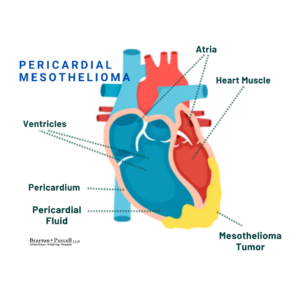
Mesothelioma is most often associated with the lining of the lungs, but in extremely rare cases it can develop in the lining surrounding the heart. Known as primary malignant pericardial mesothelioma (PMPM), this disease is highly aggressive and notoriously difficult to diagnose and treat. Because so few cases have been reported worldwide, physicians have limited clinical guidance when caring for patients with this uncommon cancer. A recent case report by Zijuan Liu, Yating Yan and Caihong Jiang and colleagues offers encouraging insight into a potential treatment strategy for these challenging cases.
The report describes a patient with PMPM who initially received standard chemotherapy with pemetrexed and platinum-based drugs. Unfortunately, the patient developed severe grade IV bone marrow suppression, a serious complication that made continued chemotherapy difficult. Faced with limited options, the medical team transitioned the patient to a combination of tislelizumab (an immune checkpoint inhibitor) and bevacizumab (a drug that targets vascular endothelial growth factor), helping to limit tumor blood supply.
The results were notable. After 29.4 months of treatment, the patient experienced substantial improvement in symptoms, including relief from chest tightness and shortness of breath. Imaging studies showed that the primary tumor remained stable, indicating that the disease had not progressed during this period. Importantly, the treatment was generally well tolerated. While some side effects occurred, including grade II bone marrow suppression and intermittent skin changes affecting the feet, no life-threatening treatment-related complications were reported.
Although a single case cannot establish a new standard of care, the findings provide preliminary evidence that combining immunotherapy with anti-angiogenic therapy may benefit selected patients with pericardial mesothelioma, particularly those who cannot tolerate conventional chemotherapy. The report also highlights the growing role of immunotherapy in mesothelioma treatment and the need for continued research into rare mesothelioma subtypes.
The authors appropriately caution that their conclusions are based on only one patient and that further studies are needed to determine whether similar outcomes can be achieved in others. Nevertheless, for patients and clinicians facing this exceptionally rare disease, this case offers a glimpse into a potential new therapeutic approach and underscores the importance of documenting and sharing experiences with rare cancers.
Talk to an Experienced Mesothelioma Attorney
A mesothelioma diagnosis can raise urgent questions about medical care, exposure history, and legal rights. If you or a loved one has been diagnosed with pericardial mesothelioma or another asbestos-related disease, Brayton Purcell LLP can help you understand your options.
Our attorneys have decades of experience representing people harmed by asbestos exposure. We investigate where exposure occurred, identify responsible companies, and pursue compensation for eligible clients and families.
Contact Brayton Purcell LLP today for a free, confidential case review.