

KQED Forum Highlights California’s Growing Silicosis Crisis Among Artificial Stone Workers
August 19, 2026
New Case Report Highlights a Potential Treatment Option for Rare Pericardial Mesothelioma
August 12, 2026
The resurgence of silicosis among artificial stone workers is often discussed in terms of medical imaging, epidemiology, and regulatory responses. However, in their commentary, “New Exposure, Ancient Disease: Patient Experiences with Artificial Stone Silicosis,” Cathryn T. Lee and Mary E. Strek emphasize a perspective that is too often overlooked: the lived experiences of the workers themselves. Drawing on a qualitative study of Australian patients with occupational silicosis, the authors highlight the profound physical, emotional, social, and financial consequences of a disease that has rapidly emerged as one of the most serious occupational health crises of the modern era.
What Is Artificial Stone Silicosis?
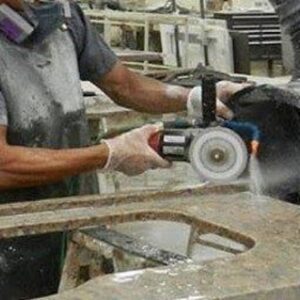
Silicosis is one of the oldest known occupational diseases caused by inhaling respirable crystalline silica dust. Historically associated with mining, quarrying, and sandblasting, silicosis has reemerged in a new form with the widespread use of artificial stone countertops. Artificial stone, often marketed as quartz surfacing, can contain more than 90% crystalline silica. When workers cut, grind, polish, or install these products, they may generate concentrations of airborne silica dust. Over the last decade, outbreaks of artificial stone-associated silicosis have been reported around the world, including in Israel, Spain, Australia, and the United States. Particularly alarming is that many affected workers are relatively young and develop severe disease after only a few years of exposure. Researchers have documented rapid disease progression, declining lung function, and in some cases, the need for lung transplantation even after exposure has ceased.
Hearing From Patients: The Tikellis Study
Lee and Strek discuss a qualitative study conducted by Tikellis and colleagues, who interviewed 40 patients with occupationally related silicosis in Australia. Rather than focusing solely on medical outcomes, the study explored how the disease affects every aspect of a patient’s life. Participants described the physical burden of living with a progressive and incurable lung disease. Many experienced chronic shortness of breath, fatigue, reduced exercise capacity, and uncertainty about their future health. Everyday activities that once seemed routine became difficult or impossible. For some, the diagnosis represented a sudden and devastating interruption to plans involving careers, family, and long-term financial security.
The Emotional Toll
The emotional impact was equally significant. Patients reported anxiety, fear, frustration, and feeling of isolation. Many struggled with the realization that they had developed a serious disease simply by performing their jobs. This uncertainty associated with disease progression left workers and their families wondering what their future would look like, particularly when lung transplantation became a possibility.
Financial and Family Strain
The interviews revealed that silicosis extends far beyond the lungs. Many workers faced substantial financial hardship after losing the ability to continue in their trade. Since countertop fabrication can provide a family’s primary source of income, a diagnosis can create immediate economic stress. Workers may require ongoing medical care while simultaneously facing reduced earning capacity. The disease can also alter family dynamics. Some workers find themselves unable to participate in activities they previously enjoyed with spouses, children, or friends, and others became increasingly dependent on family members for support. These challenges can create emotional strain throughout the household, highlighting that occupational disease affects entire families, not only individual workers.
What Patients Say They Need
One of the most important messages from the article is that patients often need more than medical treatment alone. The interviewed workers described the importance of coordinated support services, including education, mental health resources, financial guidance, and assistance navigating workers’ compensation systems. The findings suggest that comprehensive care models should address both physical and psychosocial needs. Lee and Strek note that understanding patient priorities can help clinicians provide more effective care. Listening to workers’ experiences may also improve early detection efforts and encourage the development of support programs tailored to the unique challenges faced by individuals living with silicosis.
Why Silicosis Prevention Must Remain the Goal
A powerful takeaway is that these stories reinforce the urgent need for prevention. Artificial stone silicosis is preventable through elimination or substitution of the product. The growing number of severe cases demonstrates that existing protections fail to prevent exposure that leads to artificial stone silicosis. As the artificial stone silicosis epidemic continues to unfold, patient experiences provide a critical reminder that behind every diagnosis is a worker whose life has been permanently altered.
Lee and Strek’s commentary moves the conversation beyond statistics and imaging findings, emphasizing the human cost of occupational exposure. Their message is clear: understanding and addressing the needs of affected workers is essential, but preventing future cases must remain the goal.
Diagnosed with Silicosis After Working with Artificial Stone?
A silicosis diagnosis can bring significant medical, financial, and personal challenges. If you or a loved one developed silicosis after working with artificial stone products, it may be important to understand your legal rights and available options.
Brayton Purcell LLP has represented individuals affected by silica-related diseases for decades. Our accomplished attorneys can review your circumstances, answer your questions, and help you evaluate potential legal claims.
Contact Brayton Purcell LLP today for a free consultation to discuss your legal rights and options.
📞 Call (800) 361-2417