

Countertop Fabricators Are Not Failing. Artificial Stone Is.
August 24, 2026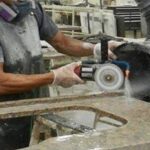
A Modern Silicosis Epidemic: The Human Impact of Artificial Stone Exposure
August 17, 2026

Their conversation focused on a disease that many consumers know little about but that has already changed the lives of hundreds of workers and their families: silicosis, a progressive and incurable lung disease caused by inhaling respirable crystalline silica.
The discussion explored the growing number of silicosis diagnoses associated with artificial stone fabrication, the devastating impact on workers and their families, the limitations of current treatments, and the ongoing debate over whether artificial stone should continue to be used in the countertop industry.
More Than 600 California Workers Diagnosed
According to data discussed during the broadcast, more than 600 California workers have been diagnosed with silicosis since 2019. Dozens have died, and at least 65 workers have undergone or are awaiting lung transplantation.
Many of those diagnosed worked cutting, grinding, drilling, polishing, and fabricating artificial stone countertops for homes, businesses, schools, and commercial buildings throughout California.
The disease is appearing in workers at younger ages than many people associate with occupational lung disease. While silicosis has historically been linked to mining and other industrial occupations, doctors are now seeing severe disease among countertop fabrication workers in their 20s, 30s, and 40s.
What Is Artificial Stone?
Artificial stone, sometimes referred to as engineered stone or manufactured stone, has become one of the most popular countertop materials in North America because of its appearance, durability, and identical appearance to natural stone.
However, the composition of artificial stone differs dramatically from many traditional countertop materials.
Artificial stone is composed of at least 90% respirable crystalline silica. The remaining approximately 10% consists of highly toxic substances including resins, dyes, glues, and heavy metals.
When artificial stone is fabricated, nano-sized silica particles become airborne and are inhaled by workers. These microscopic particles penetrate deep into the lungs, where they become embedded in lung tissue and trigger inflammation and permanent scarring.
The extraordinarily high concentration of respirable crystalline silica found in artificial stone has become a major focus of physicians, researchers, and public health professionals studying the recent increase in aggressive silicosis cases.
A Young Worker's Story Left a Lasting Impression
One of the most powerful moments discussed during the program involved a worker whom Farida Jhabvala Romero encountered in 2023. The young worker appeared remotely via Zoom to speak about his condition.
Romero recalled seeing a man in his late twenties connected to an oxygen machine. Tubes supplied oxygen directly through his nostrils as he spoke about living with advanced silicosis and waiting for a lung transplant.
The image remained with her.
The worker was young enough that many people would never expect him to be facing severe respiratory failure. Yet he had already reached the point where he required supplemental oxygen to breathe and was awaiting a life-saving transplant.
His illness had transformed every aspect of his life. Once the primary provider for his family, he now depended heavily on loved ones for support while confronting an uncertain future.
His story reflects a pattern doctors and journalists continue to see throughout California's artificial stone industry.
The Human Cost of Silicosis
Throughout the discussion, Dr. Gandhi described the realities facing many of the workers she treats.
Silicosis does not always begin with dramatic symptoms. Instead, the disease often starts subtly.
Workers may initially notice:
- Mild shortness of breath
- A dry, persistent cough
- Fatigue
- Reduced stamina
- Difficulty recovering after physical activity
Many continue working despite these symptoms.
However, as the disease progresses, the impact becomes increasingly severe.
Dr. Gandhi explained that patients often tell her they can no longer participate in activities that once defined their daily lives. Parents may no longer have the energy to play with their children. Workers who previously spent long days performing physically demanding jobs struggle to walk short distances without becoming breathless.
As silicosis advances, patients may experience:
- Severe shortness of breath
- Chronic exhaustion
- Significant chest pain
- Weight loss
- Frequent respiratory infections
- Heart complications
- Dependence on supplemental oxygen
- Repeated hospitalizations
Many patients she sees are young people whose careers, financial stability, and family lives have been dramatically altered by a disease that is entirely preventable.
Why Silicosis Continues to Progress
One of the most alarming aspects of silicosis is that the disease may continue to worsen long after exposure ends.
Dr. Gandhi explained that when nano-sized silica particles become lodged inside the lungs, the body recognizes them as foreign material. The immune system responds by attempting to isolate the particles, leading to chronic inflammation and scarring.
Unfortunately, once significant lung scarring develops, it cannot be reversed.
Even workers who completely stop working around artificial stone may continue experiencing disease progression because the silica particles remain embedded within their lungs.
This reality makes early detection important, yet many workers are not diagnosed until substantial damage has already occurred.
A Listener Asked: Can Homeowners Get Silicosis from Their Countertops?
One listener asked whether simply having an artificial stone countertop in a home could cause silicosis.
Dr. Gandhi explained that a finished countertop sitting in a kitchen does not create the same exposure concerns associated with fabrication.
The danger arises during fabrication, modification, repair, cutting, grinding, drilling, and polishing activities. Those processes generate airborne silica dust.
The workers who perform those tasks day after day experience repeated exposure over months and years, which is why fabrication workers face the greatest risk.
Another Listener Asked: Do Masks Prevent Silicosis?
Protective equipment was another major topic during the discussion.
A listener wanted to know whether respirators and masks are sufficient to prevent disease.
Dr. Gandhi explained that occupational health professionals consider personal protective equipment to be the last layer in a hierarchy of workplace controls.
The challenge with artificial stone is the tremendous amount of dust generated during fabrication.
Because artificial stone is composed of at least 90% respirable crystalline silica, fabrication activities generate enormous quantities of respirable crystalline silica dust. Nano-sized silica particles disperse throughout fabrication facilities, settling on clothing, equipment, surfaces, and floors.
According to Dr. Gandhi, even workers located far from cutting stations may be exposed because the particles travel throughout the fabrication environment.
The discussion highlighted concerns that exposure can occur throughout the workshop rather than only where cutting takes place.
Why Artificial Stone Is Different from Natural Stone
Several listeners asked why doctors are seeing such severe disease among artificial stone workers compared with workers who historically fabricated natural stone.
Dr. Gandhi explained that the difference begins with composition.
Artificial stone is composed of at least 90% respirable crystalline silica. The remaining approximately 10% consists of toxic substances including resins, dyes, glues, and heavy metals.
Natural stones such as marble contain significantly lower silica concentrations.
Researchers continue studying whether the combination of extraordinarily high silica levels and the other substances incorporated into artificial stone contributes to the aggressive disease patterns now being documented among fabrication workers.
The Story of Lopez
Romero also discussed a worker known publicly as Lopez, whose experience illustrates the devastating effects of advanced silicosis.
Lopez requires oxygen around the clock and remains on a waiting list for a lung transplant.
He described the emotional burden of no longer being able to work and support his family. Like many workers diagnosed with severe silicosis, he struggles not only with physical limitations but also with feelings of uncertainty as he waits for treatment.
For many affected workers, the disease creates both a medical crisis and a financial crisis.
Families often lose their primary source of income at precisely the moment medical expenses begin to increase.
Is a Lung Transplant a Cure?
One of the most important points raised during the broadcast concerned lung transplantation.
Dr. Gandhi emphasized that a lung transplant is not a cure for silicosis.
Instead, transplantation is generally considered when a patient has advanced, life-threatening lung disease.
She explained that patients often receive transplants because physicians believe they would not survive 6-months without one. Even after transplantation, patients face lifelong medical challenges, including medications to prevent organ rejection and ongoing monitoring.
For younger workers diagnosed in their 20s and 30s, the reality is particularly heartbreaking. A transplant may provide additional years of life, but it does not restore the health they once had before developing silicosis.
Workers Face Challenges Beyond Their Diagnosis
The KQED discussion also examined difficulties many workers encounter after they become ill.
Romero explained that workers diagnosed with silicosis often face significant challenges obtaining workers' compensation benefits.
Unlike an accident that occurs on a specific day, silicosis develops over time.
As a result, disputes may arise regarding when exposure occurred and which insurance carrier bears responsibility.
Many workers require legal assistance while navigating an extraordinarily complex system.
Some have waited years for meaningful progress while continuing to deal with serious health complications and financial hardship.
Consumers Are Beginning to Ask Questions
The program included comments from listeners who said they were rethinking future remodeling decisions after learning more about silicosis.
Some listeners indicated they would seek alternatives to artificial stone in future projects.
The discussion highlighted a growing awareness among consumers regarding the human cost associated with fabrication of these products.
Many homeowners are surprised to learn that workers who create beautiful kitchen countertops may later face life-altering respiratory disease.
California May Be at the Beginning of the Epidemic
Dr. Gandhi expressed concern that current case numbers may not tell the entire story.
Many workers have never undergone medical screening, and silicosis can take years to develop.
She explained that physicians regularly hear stories about former coworkers who became ill but never received a formal diagnosis or left the country before obtaining medical care.
Because of these factors, researchers and physicians believe additional cases will emerge in the years ahead.
Even if exposures were reduced immediately, workers who have already inhaled respirable crystalline silica would continue developing symptoms long into the future.
Contact Brayton Purcell LLP
If you or a loved one worked with artificial stone products and have been diagnosed with silicosis, it is important to understand your legal rights and available options.
Brayton Purcell LLP has represented individuals and families affected by occupational diseases for decades. Our accomplished attorneys have extensive experience helping workers and families impacted by silica exposure and other hazardous workplace substances.
Contact Brayton Purcell LLP today for a free consultation to discuss your legal rights and options.
 Call (844) 768-0794
