
New Case Report Highlights a Potential Treatment Option for Rare Pericardial Mesothelioma
August 12, 2026
California Jury Returns $47+ Million Verdict in Artificial Stone Silicosis Case
August 6, 2026
For decades, mesothelioma has remained one of the most difficult cancers to treat. Closely linked to asbestos exposure, this rare but aggressive disease often develops decades after workers inhale asbestos fibers, which can remain embedded in lung tissue and trigger chronic inflammation. Despite advances in oncology, patients diagnosed with mesothelioma continue to face a grim prognosis, with limited treatment options and survival rates that have only improved modestly over time. Recent research from the University of Vermont, however, suggests that mesothelioma may possess an unexpected vulnerability – one that could open the door to a new generation of targeted cancer therapies. The research, highlighted in Joshua Brown’s article “A Rare and Deadly Cancer May Have an Unexpected New Vulnerability,” describes an innovative strategy that turns a cancer cell’s survival mechanisms against it. Instead of trying to protect cells from oxidative damage, researchers have developed an approach that overwhelms tumor cells with the very stress they work to avoid.
The Challenge of Mesothelioma
Mesothelioma affects approximately 30,000 people worldwide each year and is most commonly associated with occupational asbestos exposure. Historically, the disease has been particularly prevalent among workers in shipbuilding, oil refining, construction, and asbestos manufacturing industries. Standard treatments, including chemotherapy and immunotherapy, can slow disease progression in some patients, but long-term survival remains elusive. Many patients survive only about one year following diagnosis, and only a small percentage are alive five years later. This persistence of poor outcomes has driven researchers to search for fundamentally new treatment strategies. Instead of focusing solely on how to kill cancer cells, scientists have begun investigating the biological adaptations that allow tumors to survive under extreme conditions.
A Hidden Dependency
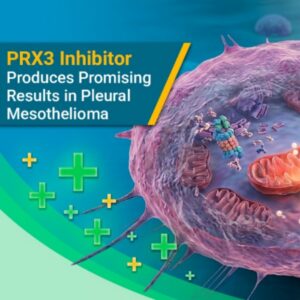
Cancer cells are metabolically demanding. To sustain their rapid growth, they generate large amounts of energy, but this process comes at a cost. As tumor cells metabolize nutrients, they produce reactive oxygen species – highly unstable molecules that can damage proteins, DNA, and cellular structures. Excessive levels of reactive oxygen species can be lethal to cells. To survive, cancer cells develop sophisticated defense systems. One of the most important involves antioxidant enzymes that neutralize harmful oxidative molecules. In mesothelioma, researchers identified a key enzyme known as peroxiredoxin 3 (or PRX3), which is in the energy-producing mitochondria in cells. PRX3 acts as a protective shield, helping tumor cells tolerate the oxidative stress generated by their fast metabolism. This finding led researchers to ask a simple but important question: what if cancer cells are dependent on this protective system? If so, blocking PRX3 could remove a critical survival mechanism and expose tumor cells to toxic levels of oxidative damage.
Reversing Conventional Thinking
For many years, scientists believed that antioxidants might help prevent or treat cancer by reducing oxidative stress. Studies have evaluated whether antioxidant supplementation could slow tumor growth; however, many of these efforts produced disappointing results, and some evidence suggested that antioxidants might inadvertently help cancer cells survive.
The University of Vermont team pursued the opposite strategy. Rather than reducing oxidative stress, they sought to increase it. Their approach involves inhibiting PRX3, which would prevent tumor cells from neutralizing damaging reactive oxygen species. Without adequate protection, oxidative molecules accumulate, eventually reaching levels that cancer cells can no longer tolerate.
This concept is particularly appealing because it exploits a weakness created by the cancer itself. Mesothelioma cells depend on high metabolic activity to fuel growth, but that same activity generates the oxidative stress that threatens their survival. By targeting PRX3, researchers effectively transform the tumor’s strength into a liability.
Encouraging Clinical Results
Perhaps the most exciting aspect of this research is that it has already shown promise in patients. In a Phase 1 clinical trial sponsored by RS Oncology, patients with relapsed mesothelioma received an experimental therapy designed to target this oxidative stress pathway.
The results were encouraging: approximately 67% of participants experienced disease control, meaning that their cancer stopped progressing during treatment. Some patients even demonstrated measurable tumor shrinkage.
Equally important, the treatment was generally well tolerated. For patients with relapsed mesothelioma – many of whom have exhausted standard therapeutic options – both disease stabilization and manageable side effects represent meaningful clinical advances. Researchers also noted that treated patients survived longer than would typically be expected with conventional therapies alone.
Although Phase 1 trials are primarily designed to evaluate safety rather than effectiveness, these findings provide a strong rationale for larger studies. Future clinical studies will be needed to determine whether the treatment improves overall survival and whether certain groups of patients benefit more than others.
Implications Beyond Mesothelioma
The significance of this research may extend far beyond mesothelioma. Elevated oxidative stress is not unique to asbestos-related cancers – many tumors rely on antioxidant systems to cope with the metabolic demands of rapid growth. This raises the possibility that therapies targeting PRX3 or related antioxidant defenses could be effective against multiple cancer types.
Researchers published their findings in Nature Communications, emphasizing that the underlying biological principle may have broad applicability. If additional studies confirm these results, exploiting oxidative stress vulnerabilities could become an entirely new therapeutic strategy within precision oncology.
Looking Ahead
For patients and families affected by mesothelioma, the emergence of new treatment approaches offers hope. While asbestos-related diseases continue to claim lives decades after exposure, advances in molecular biology are revealing vulnerabilities that were previously hidden.
Though much work remains before this approach becomes standard, the study highlights an important shift in cancer research. In mesothelioma, a disease long characterized by limited options and poor outcomes, that strategy may represent one of the most promising developments in years.
Contact Brayton Purcell LLP
A mesothelioma diagnosis can raise difficult questions about treatment, financial security, and the source of asbestos exposure. If you or a loved one has been diagnosed with mesothelioma or another asbestos-related disease, it may be important to understand your legal rights.
Brayton Purcell LLP has represented individuals and families affected by toxic exposures for decades. Our attorneys help clients investigate past asbestos exposure and pursue compensation from responsible parties.
Contact Brayton Purcell LLP today for a free consultation to discuss your potential legal options.
📞 Call (800) 361-2417
FAQs
Disclaimer
This article is provided for informational purposes only and should not be considered medical or legal advice. Individuals should consult qualified healthcare professionals regarding medical diagnosis and treatment decisions. Prior results do not guarantee a similar outcome, and each legal matter depends on its own unique facts and circumstances.