

Understanding the Rise of Artificial Stone Silicosis
July 8, 2026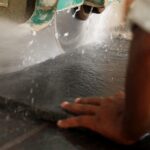
Silicosis Surveillance in California, 2019-2024: Tracking an Epidemic
July 1, 2026
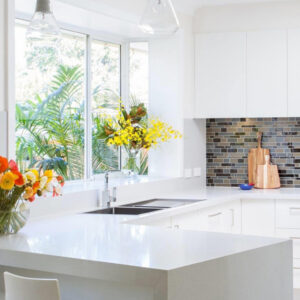
Artificial stone countertops have become widely used in residential and commercial interiors due to their consistent appearance and durability. However, the composition of artificial stone raises important health considerations.
Crystalline silica artificial stone—also referred to as engineered or manufactured stone—is composed of at least 90% crystalline silica and approximately 10% other toxic materials, including glues, dyes, resins, and other volatile organic compounds (VOCs). When fabricated, it releases nano-sized particles that are inhaled deep into the lungs.
Inhalation of respirable crystalline silica has been linked to serious lung conditions, including silicosis, a progressive and potentially fatal disease. As awareness increases, many individuals are evaluating alternative countertop materials that reduce or eliminate respirable crystalline silica exposure for workers while still meeting aesthetic and functional expectations.
Below are several alternatives to artificial stone countertops, along with important considerations for each.
Recycled and Composite Countertops
Recycled materials represent an environmentally conscious countertop alternative. These materials are entirely safe for countertop fabricators to work with. Conversely, crystalline silica artificial stone is highly toxic when fabricated and leads to severe lung damage and, in many instances, fatal disease.
Advantages:
- Often made from repurposed materials such as glass or paper composites
- Distinctive visual appearance
- Many options are designed to minimize or eliminate crystalline silica
Considerations:
- Material performance varies depending on composition
- Higher-quality options may involve increased initial cost
Porcelain Countertops
Porcelain has become a widely used option for residential and commercial applications.
Advantages:
- Contains significantly less crystalline silica compared to artificial stone
- Resistant to heat, scratches, and UV exposure
- Non-porous surface supports stain resistance and ease of cleaning
- Available in a variety of finishes, including styles that resemble natural stone
Considerations:
- Requires careful handling and experienced installation
- May involve higher upfront costs depending on design and thickness
Natural Stone Countertops
Natural materials such as granite, marble, and soapstone offer a distinctive, organic appearance.
Advantages:
- Unique veining and color variations in each slab
- Certain materials, such as soapstone, contain little to no crystalline silica
- Durable and suitable for high-temperature environments
Considerations:
- Some stone types require periodic sealing
- Maintenance and cost vary depending on the material selected
Wood (Timber) Countertops
Wood countertops provide warmth and a natural design element.
Advantages:
- Does not contain crystalline silica
- Customizable in wood species, tone, and finish
- Can be sourced from sustainable or reclaimed materials
Considerations:
- Requires routine maintenance to address moisture exposure
- More susceptible to surface wear compared to harder materials
Stainless Steel Countertops
Often used in professional kitchens, stainless steel is also incorporated into modern residential spaces.
Advantages:
- Non-porous and hygienic surface
- Resistant to heat, staining, and corrosion
- Free of crystalline silica
Considerations:
- Surface markings and fingerprints may be visible
- Industrial aesthetic may not align with all design preferences
Concrete Countertops
Concrete offers flexibility in design and customization.
Advantages:
- Can be cast into various shapes and finishes
- Durable and resistant to heat
- Lower-silica formulations can be used
Considerations:
- Requires proper reinforcement and sealing
- Heavy material that may need additional structural support
Key Considerations When Choosing a Countertop
When evaluating alternatives to artificial stone, consider the following factors:
- Exposure Considerations: Potential for respirable crystalline silica exposure for workers during fabrication
- Durability: Resistance to heat, scratches, and moisture
- Maintenance Needs: Cleaning requirements and potential sealing
- Design Objectives: Compatibility with the overall space
- Budget: Initial investment and long-term upkeep
A Continued Shift Toward Safer Materials
As understanding of crystalline silica exposure continues to evolve, so does the marketplace. A growing range of countertop materials now offer alternatives that align with both design goals and health-conscious decision-making. Careful material selection can play a role in reducing exposure concerns associated with fabrication processes.
Brayton Purcell LLP Can Give You Legal Support
If you have worked with artificial stone countertops and later developed respiratory symptoms or received a diagnosis associated with silica exposure, it is important to understand your legal rights. Brayton Purcell LLP has extensive experience representing individuals affected by occupational exposure to hazardous materials. To learn more about your options, we encourage you to contact the firm for a confidential consultation.
📞 Call (800) 361-2417