
We recently blogged here about the danger of asbestos-fiber release if a product containing the mineral is broken, crushed, sanded, cut or otherwise disturbed.
Once released into the airstream, people can breathe in or swallow the fibers, which become lodged in the lungs and elsewhere in the body, creating the risk of eventually developing fatal cancers or other serious diseases.
Asbestos-Containing Material Deterioration
In addition to cutting, breaking, or sanding asbestos-containing materials (ACMs), fibers can also be released into dust and air through normal wear and tear. ACMs are common components of many buildings – residential, commercial and public – especially older structures and often schools and universities. These are just a few examples of areas where asbestos can be found within educational facilities:
- Insulation: Asbestos was commonly used in steam pipe and boiler insulation.
- Construction: Asbestos products were used extensively in school construction, including in fireproofing, insulation, joint compounds, ceiling tiles, floor tiles, and plaster and patching compounds.
- Pipes and plumbing: Plumbers and pipefitters may be exposed to asbestos when working with cement pipes, pipe coverings or boilers.
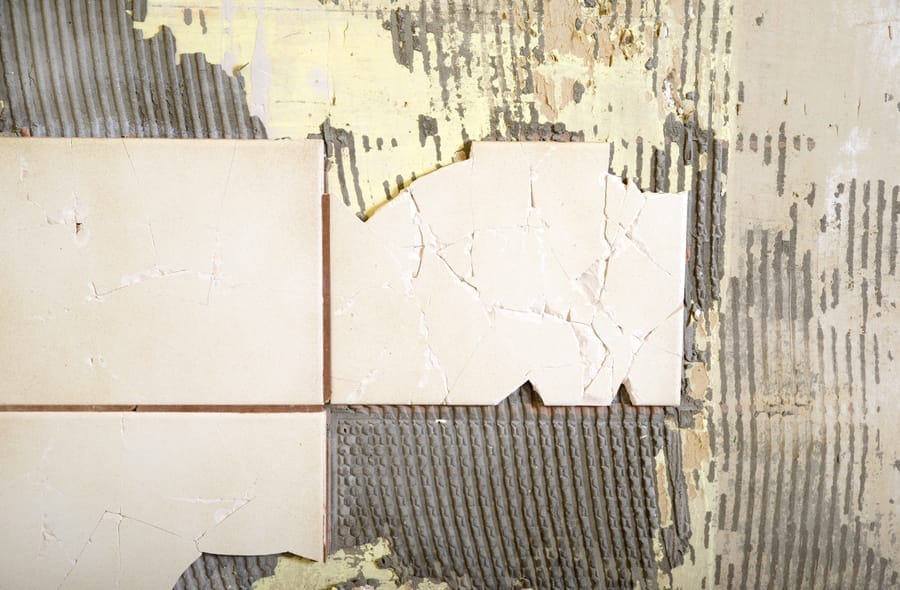
When these building materials start to wear out, they may crack, break, crumble or disintegrate. It was just this scenario that reportedly alarmed an employee of Sonoma State University (SSU) after 24 years of service to the school.
Retaliation Lawsuit
As SSU’s Environmental Health and Safety Specialist, the employee reported concerns to his employer about asbestos in deteriorating floor and ceiling tiles in Stevenson Hall, an older office building. According to The Press Democrat, he alleged that he experienced retaliation and hostility at work after reporting his concerns, forcing him to quit his job. He also alleged that the school did not sufficiently deal with the asbestos problem.
The employee filed a whistleblower lawsuit in state court and earlier this year, the jury awarded him almost $388,000 for lost wages, “mental suffering” and “emotional distress.” In September, the judge handed down an additional $2.9 million verdict, which includes penalties for occupational safety regulatory violations. The judge ordered that a portion was to go to each of 231 employees who worked in the building during the time at issue. A large part will also go to government officials. The court also ordered that the whistleblower be reinstated to his former job.
The university will reportedly appeal the ruling, during which the money and the reinstatement will be delayed pending resolution.